
Sun Jan 11 - Written by: Joe Tran
Melbourne, Australia
Coffee, culture, and wandering streets
Melbourne, Australia
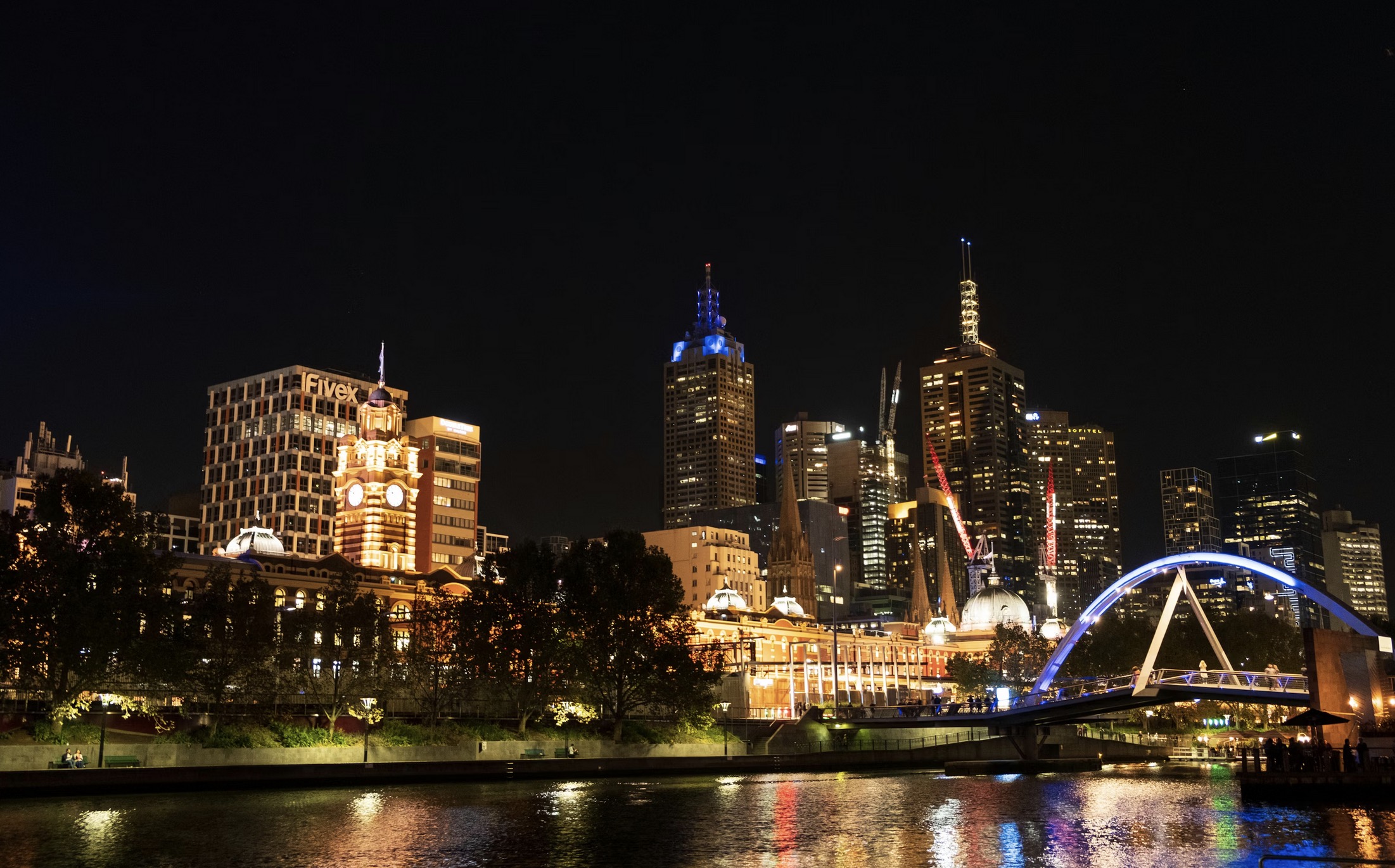
Melbourne did not reveal itself all at once. It required walking — through laneways layered in street art, across bridges over the Yarra River, along tram lines that stitched neighborhoods together. It felt intellectual without being pretentious, creative without demanding attention. A city comfortable in its own rhythm.
We visited in early October, during Australian spring. The weather shifted frequently — cool mornings, sudden sun, occasional wind rolling in from Port Phillip Bay. Layers were essential. Accommodation in Melbourne can climb quickly in cost, but staying just outside the CBD near a tram line kept expenses reasonable. Public transportation made a rental car unnecessary until we ventured toward the Great Ocean Road.
We gave Melbourne 12 days — a slower pace, grounded more in observation than adrenaline.

12-Day Itinerary
Day 1 – Arrival & Yarra River Walk
We arrived in the afternoon and walked along the Yarra River to loosen travel stiffness. The skyline reflected softly in the water, framed by modern architecture and older brick facades.
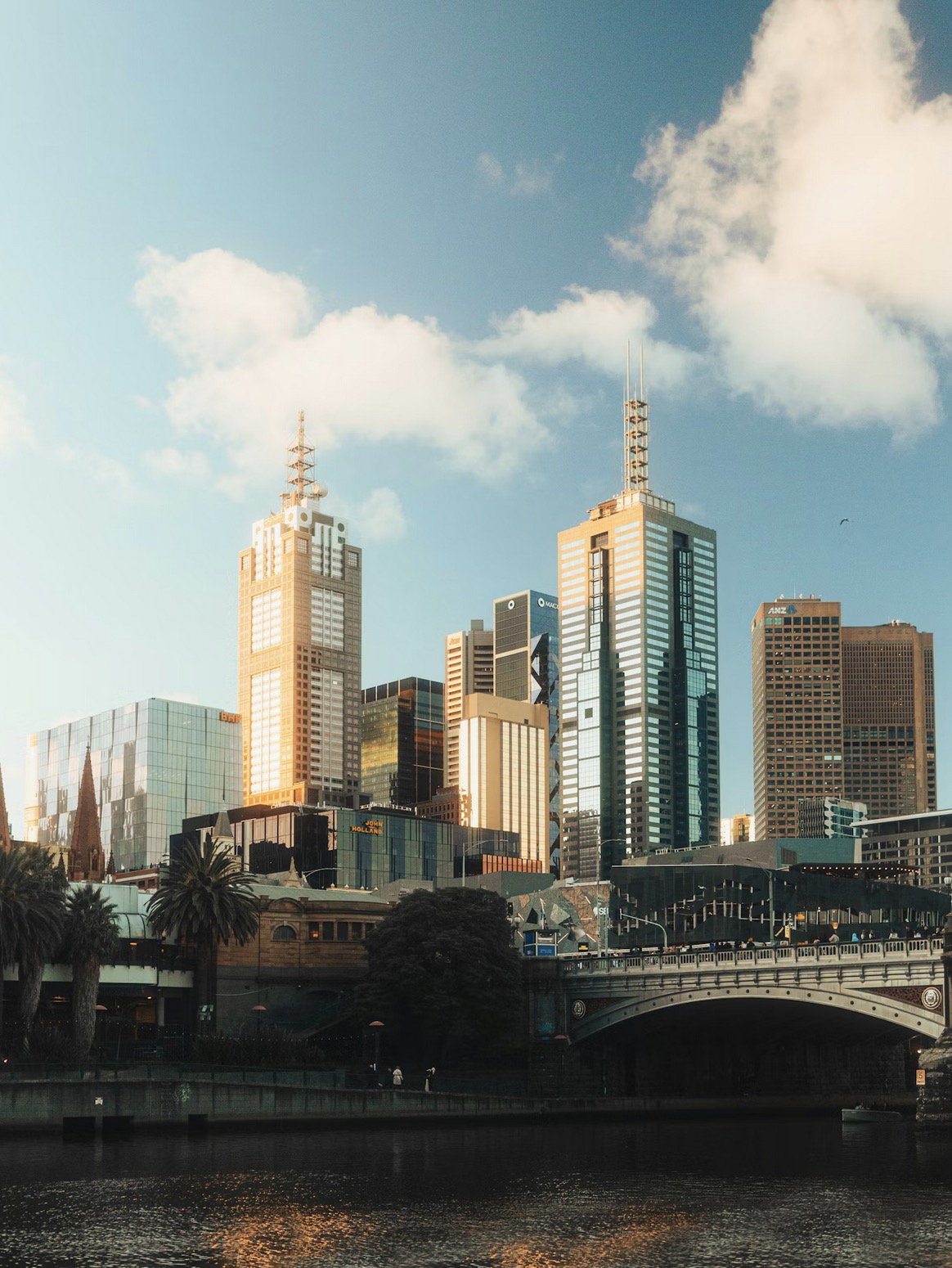
Rowers cut steady lines through the river’s surface. Cyclists passed quietly behind us on designated paths. The city felt organized, but not rigid.
Avoid rush hour on trams with luggage. Midday travel is easier.
Day 2 – Laneways & Hosier Lane (Expanded Anchor Day)
Melbourne’s laneways felt like open-air galleries. Hosier Lane pulsed with layered murals — political commentary, portraits, abstract shapes layered over one another in constant evolution.
There was no static quality to the art. Pieces overlapped. Some half-finished. Others already fading.
We wandered without direction, ducking into small cafés tucked between brick walls. Coffee here felt serious — precise, deliberate. It was less about spectacle and more about craft.
Avoid expecting a single “perfect” photo. The appeal lies in movement and change.
Day 3 – Queen Victoria Market
We arrived early at Queen Victoria Market, before tourist traffic intensified. Vendors arranged produce in neat stacks — citrus glowing against wooden crates.
We sampled local cheeses and purchased fruit for later. Markets reveal cities differently than monuments do. They show routine.

Cash can be useful at smaller stalls, though most accept cards.
Day 4 – Royal Botanic Gardens
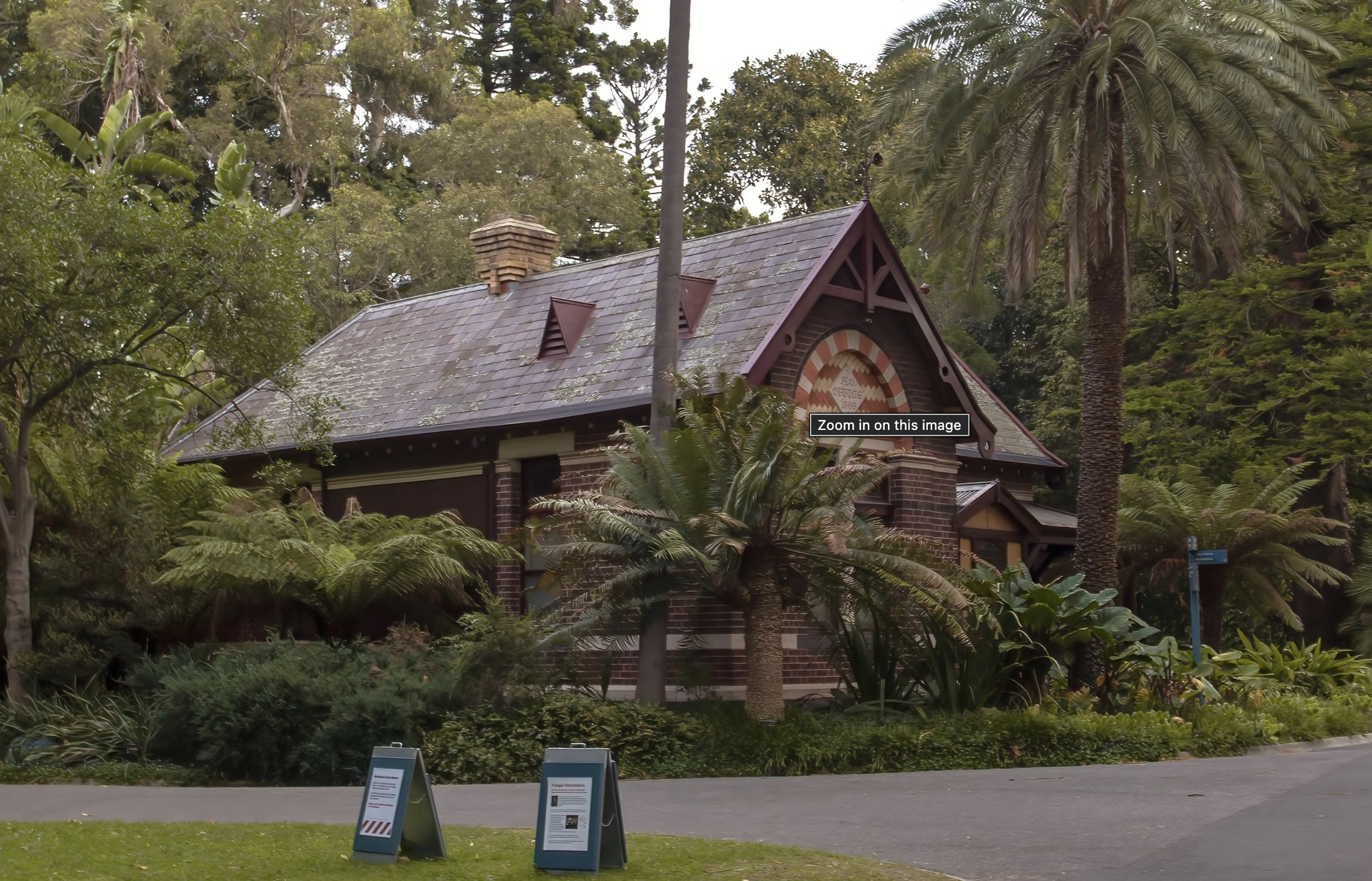
The Royal Botanic Gardens offered immediate quiet. Wide lawns, curated plant collections, and shaded walking paths softened the city’s edges.
We walked slowly, pausing by ornamental lakes and reading plaques detailing plant origins. Spring blooms added subtle color.
It was a restorative day, uncomplicated and free.

Day 5 – National Gallery of Victoria
The NGV balanced classical and contemporary art in a space that felt approachable rather than intimidating.
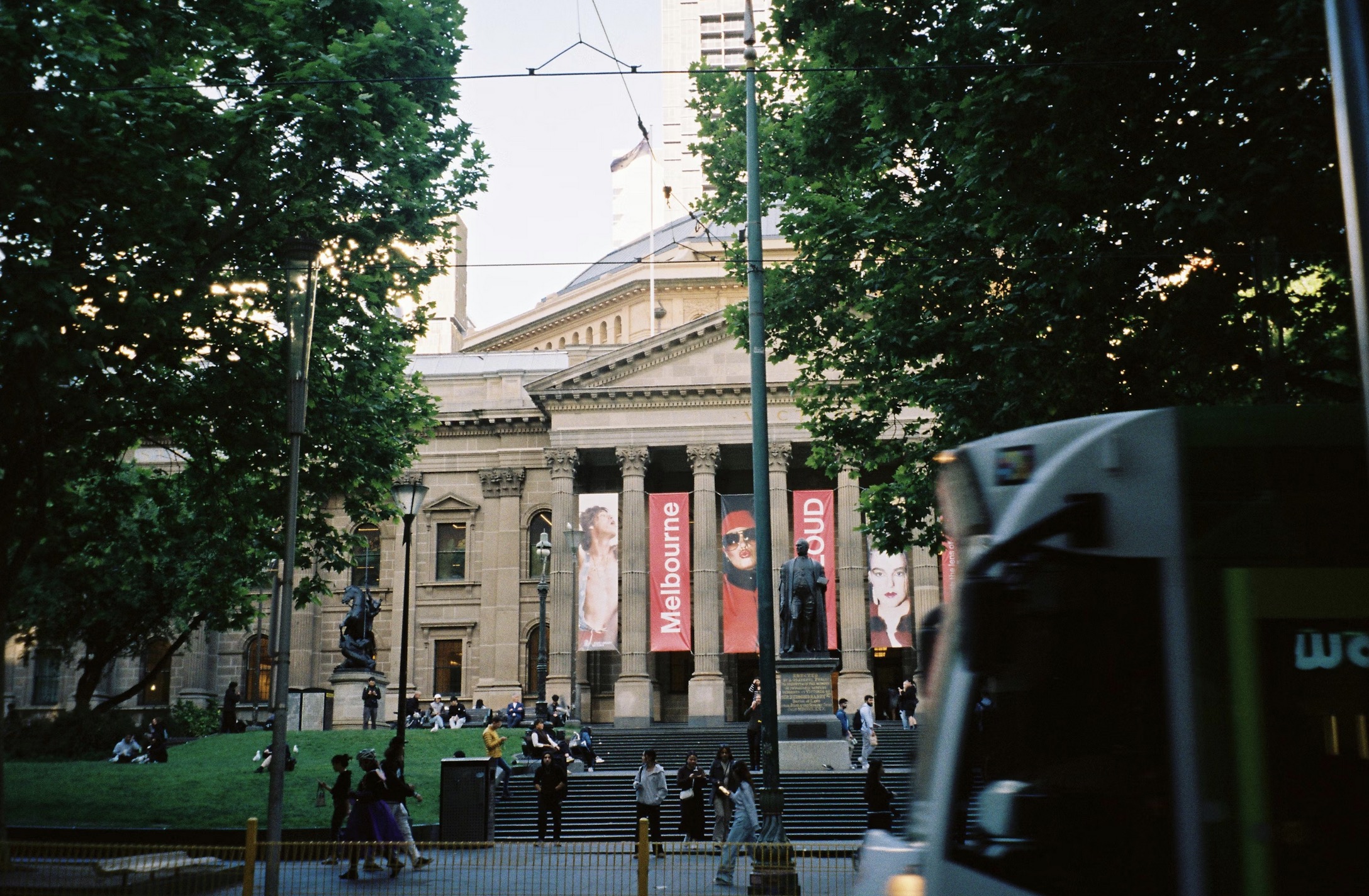
Standing before large-scale works felt grounding after days outdoors. Culture layered upon culture — Indigenous exhibitions alongside European masters.
Admission to permanent collections is free, making it an accessible way to spend a full afternoon.
Day 6 – Fitzroy & Brunswick Streets (Expanded Anchor Day)
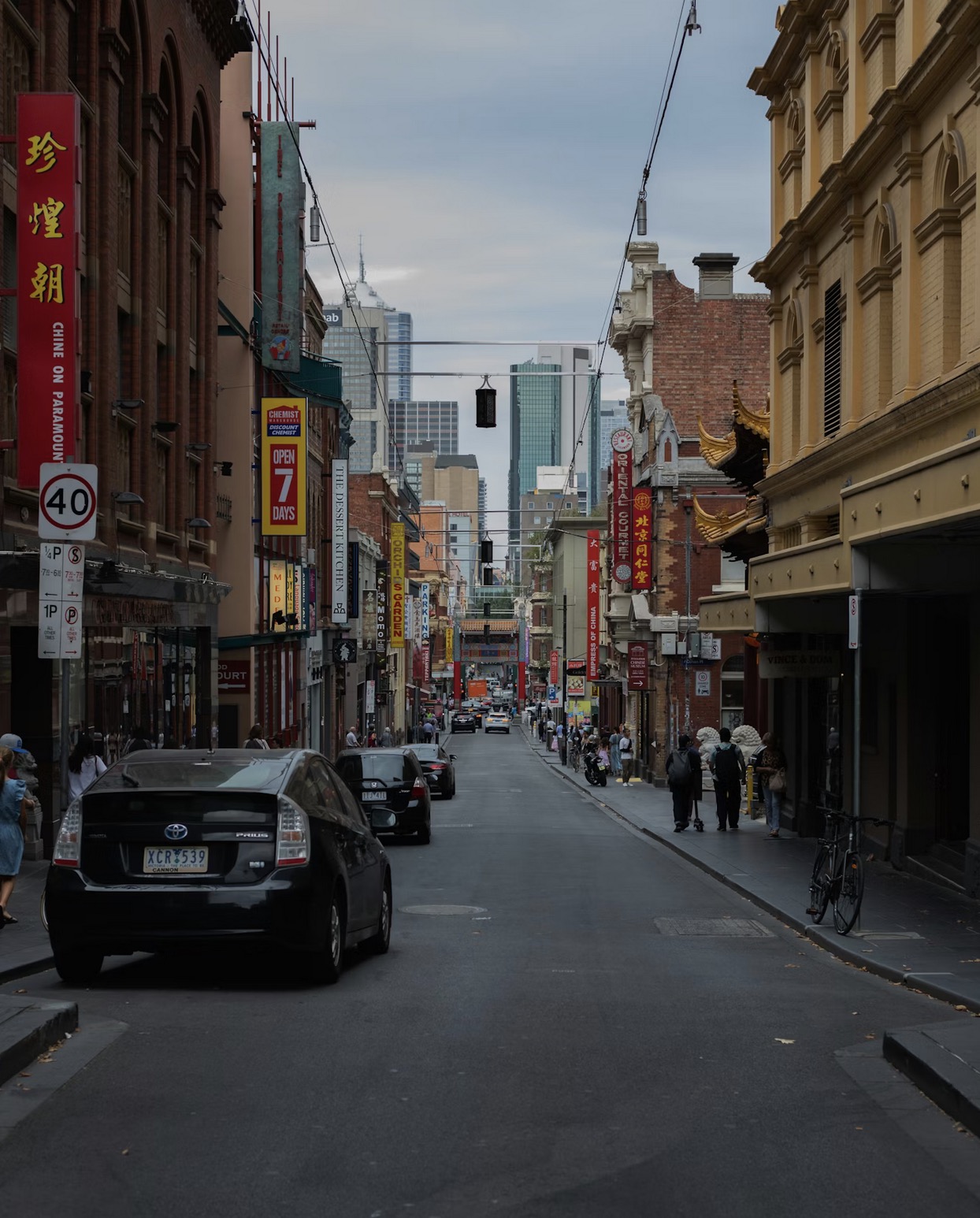
Fitzroy carried a slightly edgier energy. Independent bookstores, vintage shops, live music venues tucked behind understated façades.
We spent hours simply walking Brunswick Street, stepping into record stores and small galleries without agenda. The neighborhood felt lived-in and creative.
Conversations in cafés drifted around us — discussions of art, politics, design. It felt thoughtful without being performative.
Evening temperatures drop quickly in spring. A light jacket helps.
Day 7 – St Kilda & Coastal Walk
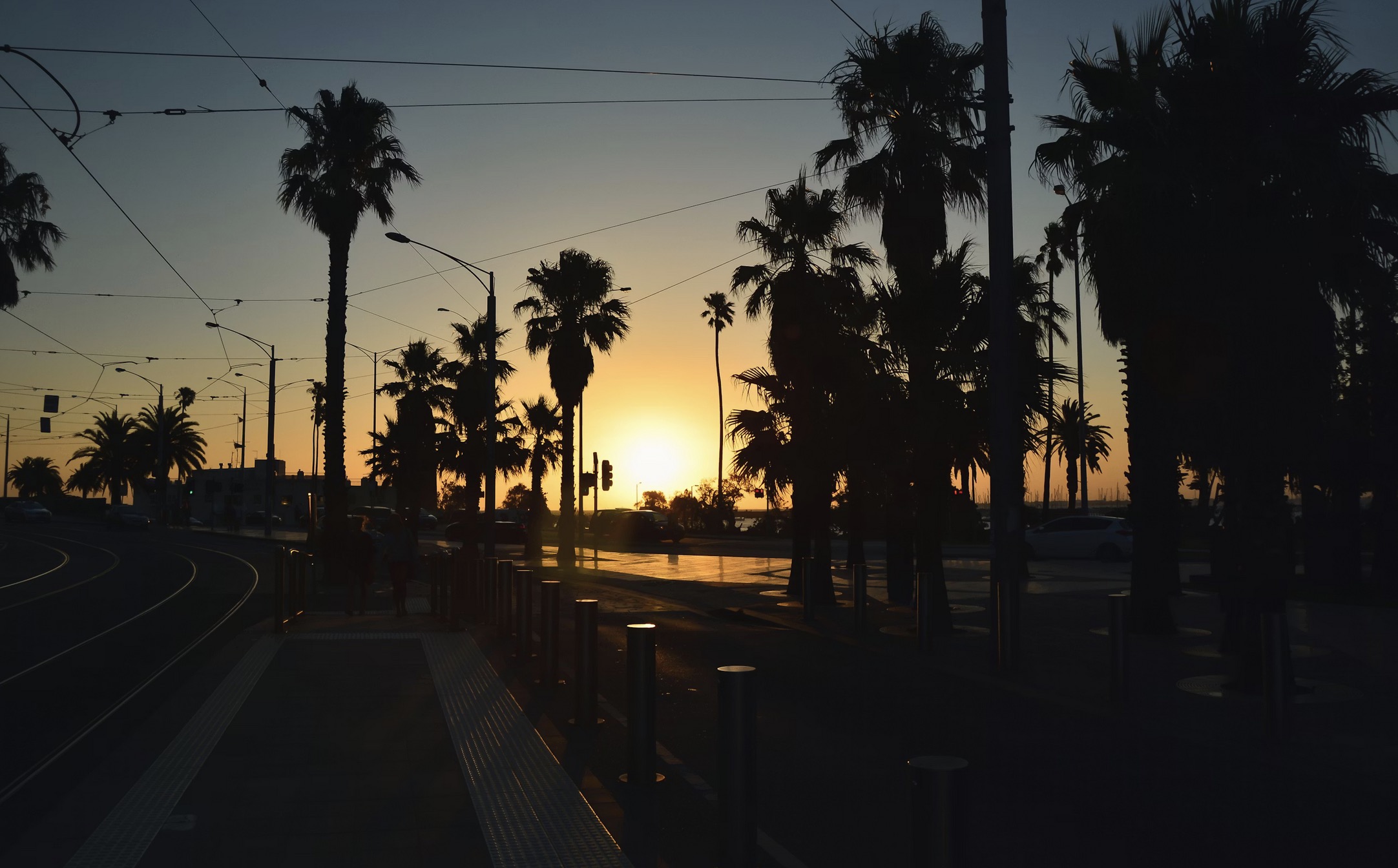
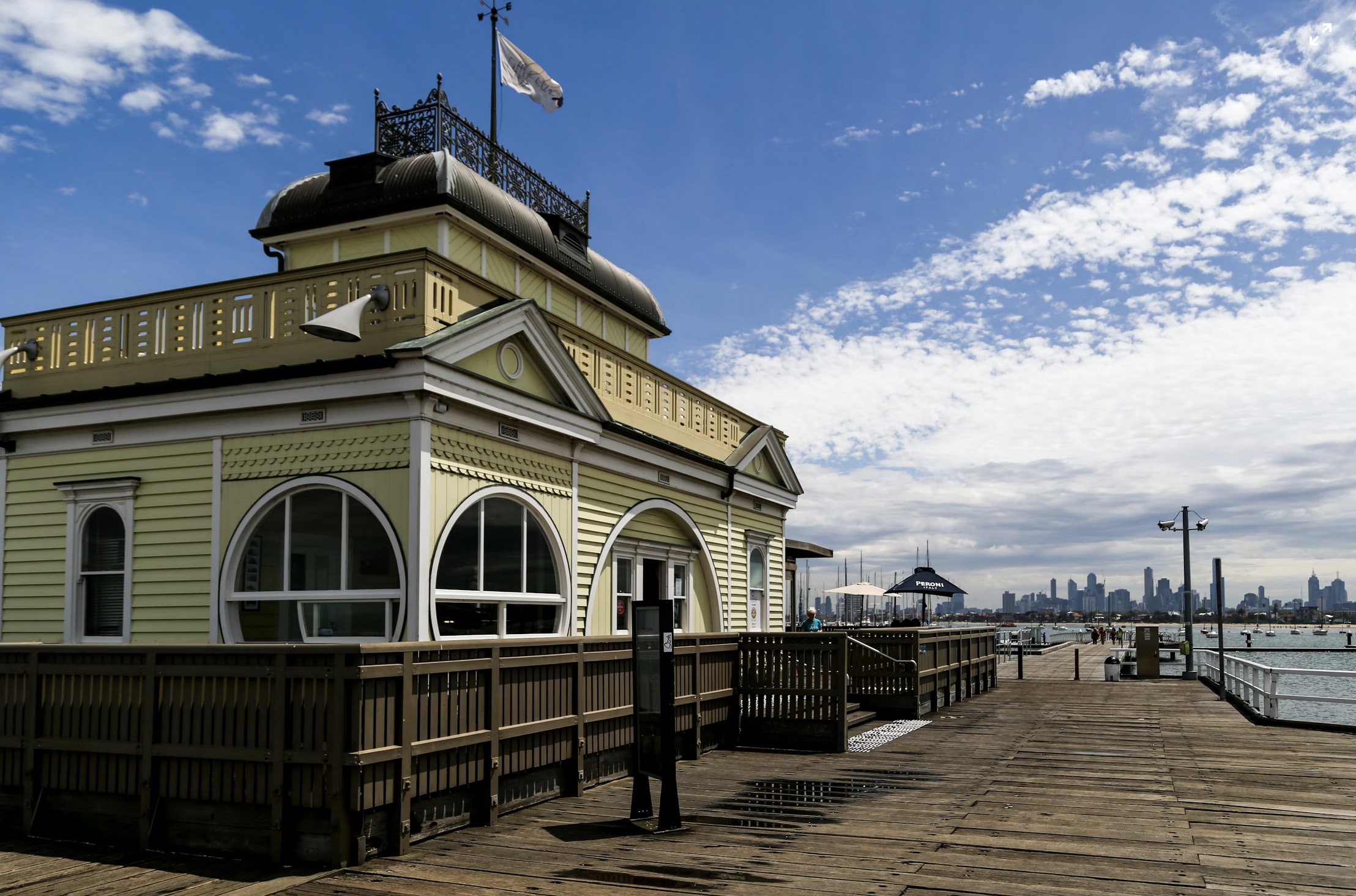
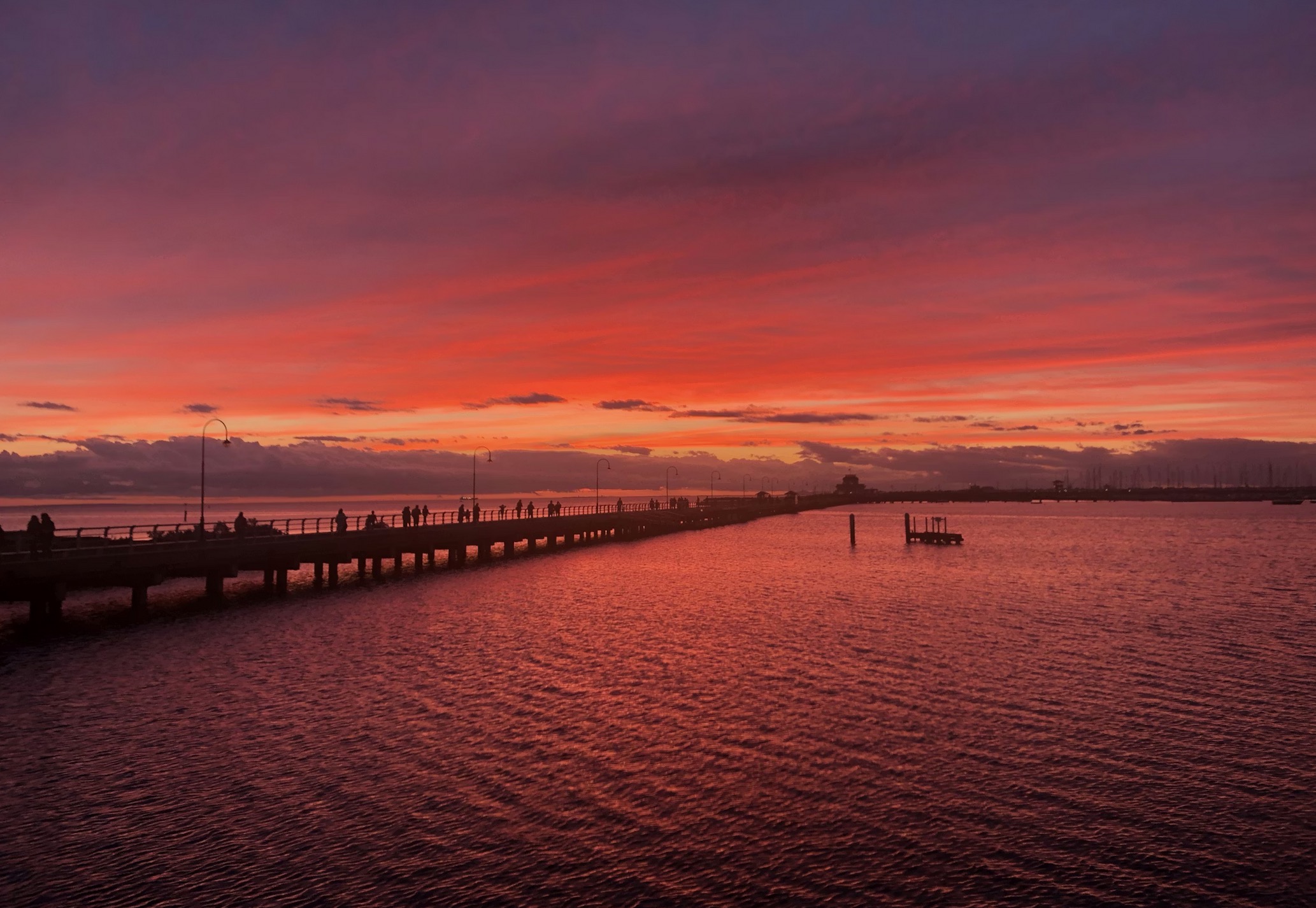
St Kilda brought us to the water. The pier stretched into Port Phillip Bay, modest but scenic.
We walked along the Esplanade and watched kite surfers catch afternoon wind. The coastline here felt softer than dramatic ocean cliffs — more recreational than wild.
Arrive near sunset to watch little penguins return to the breakwater (quiet observation is key).
Day 8 – Great Ocean Road (Expanded Anchor Day)
We rented a small car and began the drive along the Great Ocean Road early. The road hugged cliffs with ocean unfolding endlessly below.
Stopping at the Twelve Apostles felt iconic, yet standing there in person carried weight beyond photographs. Limestone stacks rose from crashing surf, shaped slowly by erosion.
Further along, quieter stops revealed smaller formations and empty beaches. The drive required patience — narrow roads and sharp curves.
Fuel up before departure. Services thin out along the route.
Day 9 – Lorne & Coastal Pause
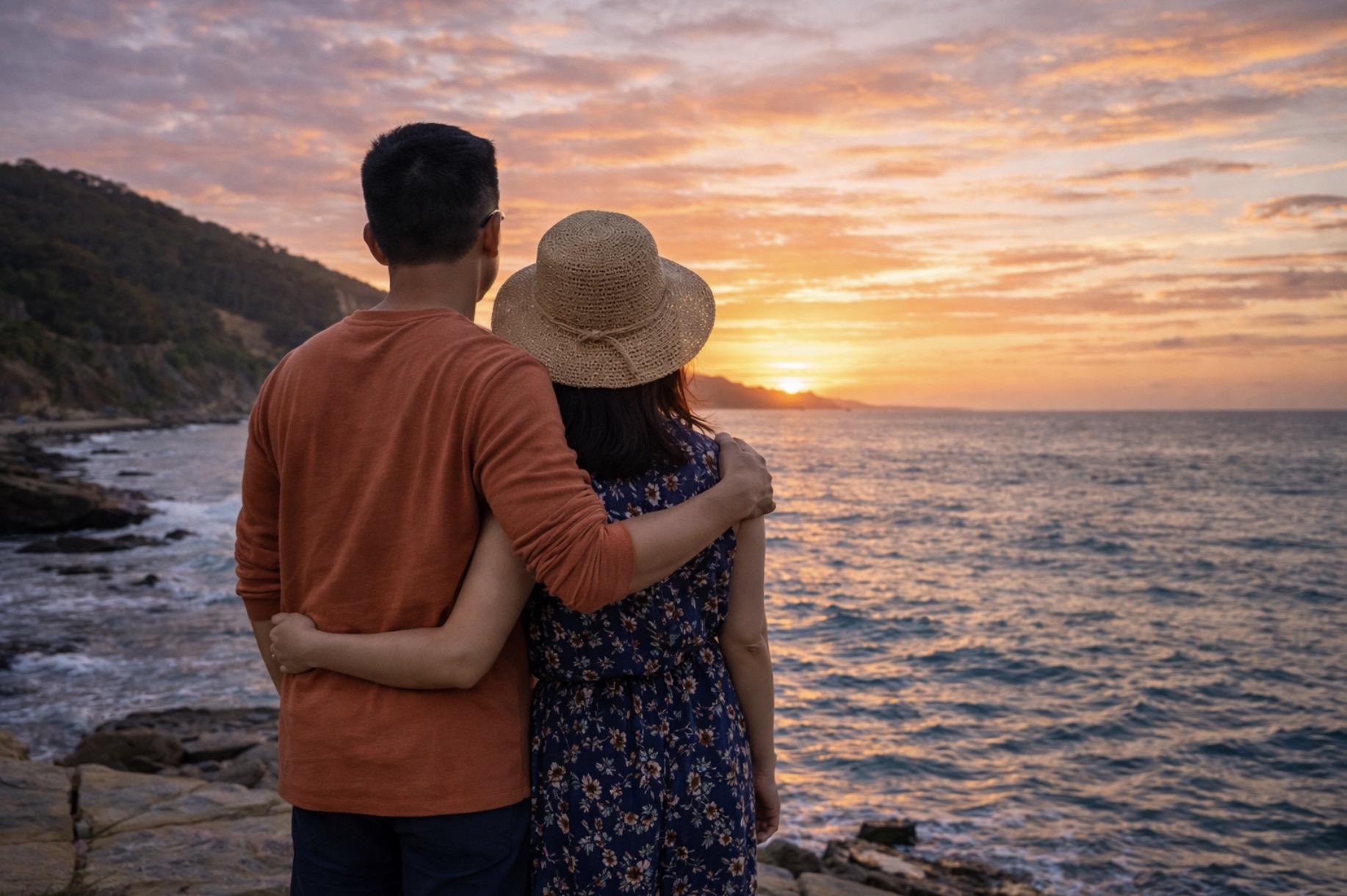
We stayed overnight near Lorne in modest accommodation. The small coastal town felt calm in the evening once day-trippers departed.
Morning walks along the shoreline revealed softer light and fewer crowds.
Sometimes staying overnight changes the rhythm of a well-known route.

Day 10 – Return to Melbourne & Slow Evening
Returning to Melbourne felt like re-entering a familiar space. We chose a quiet dinner in a neighborhood eatery rather than a high-profile restaurant.
The city rewarded understated choices.
Day 11 – Melbourne Museum & Carlton Gardens
Carlton Gardens felt symmetrical and calm. The Melbourne Museum offered insight into natural history and Indigenous heritage.
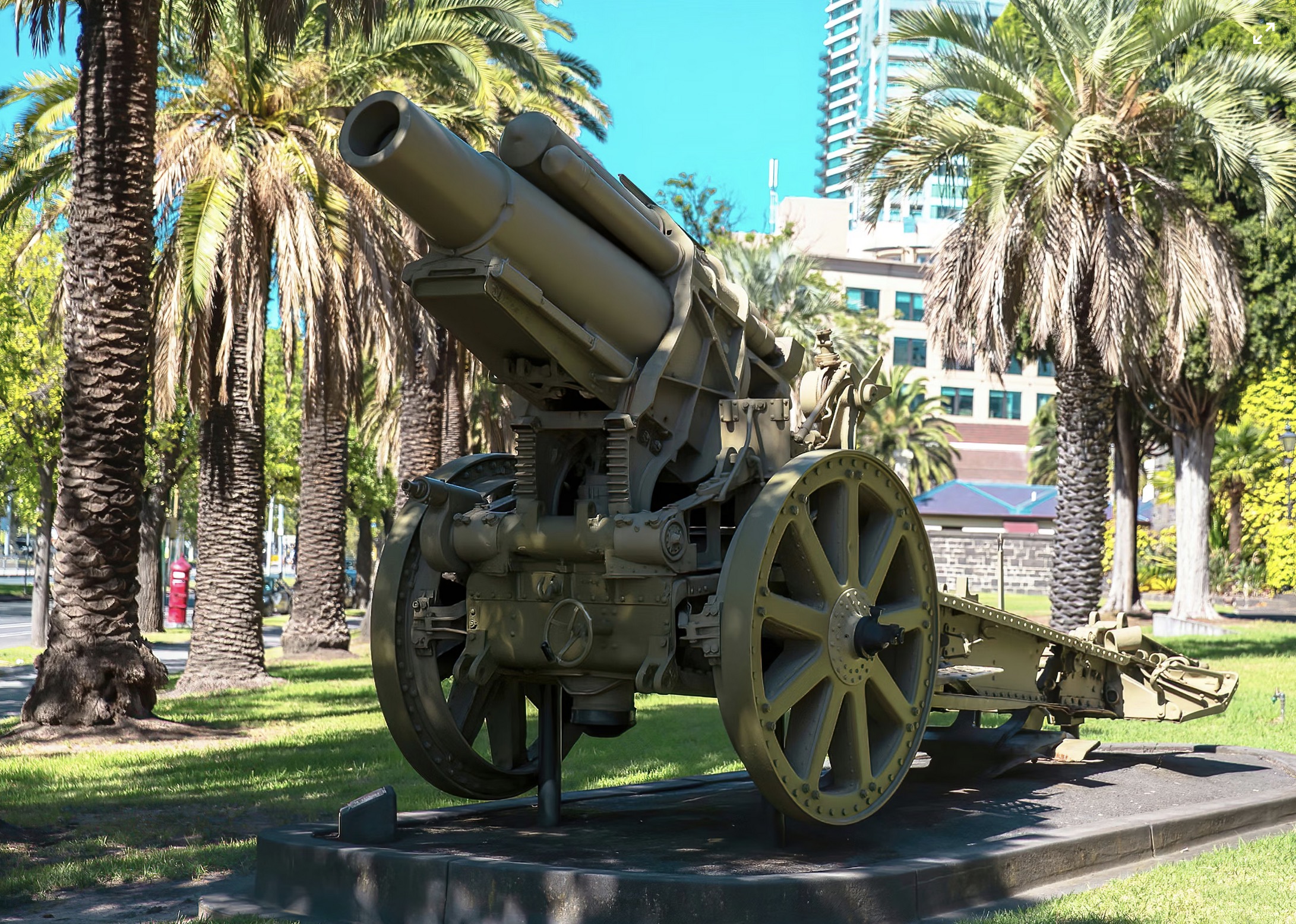
The Bunjilaka Aboriginal Cultural Centre within the museum provided deeper context about Victoria’s First Peoples.
It felt important not to separate city from history.
Day 12 – Departure
On our final morning, we returned to a small café near our tram stop. Flat whites steamed in ceramic cups. The routine felt grounding.
Melbourne did not overwhelm with spectacle. It revealed itself gradually — through art, coffee, conversation, and coastline.
It was a city that rewarded curiosity over checklist tourism.
Trip Summary – Melbourne, Australia
Best Season Visited: Early October (Spring; variable but mild weather) Total Duration: 12 Days Pace: Slow urban immersion with coastal excursion Travel Style: Transit-oriented, culturally focused, moderate budget
Highlights
- Laneway street art in Hosier Lane
- Queen Victoria Market morning exploration
- Royal Botanic Gardens walk
- Fitzroy neighborhood wandering
- Great Ocean Road & Twelve Apostles
- St Kilda coastal walk
Cultural & Local Experiences
- Independent café culture
- Indigenous exhibits at Bunjilaka
- Local markets and bookstores
- Observing daily commuter rhythms
Budget Notes
- Staying outside central luxury districts
- Using trams and public transit
- Renting a car only for Great Ocean Road
- Choosing neighborhood eateries over high-profile dining
Physical Difficulty Level
Light to Moderate
- Mostly walking
- Coastal viewpoints involve uneven terrain
- Long driving day along Great Ocean Road
Watch-Outs
- Rapid weather changes (“four seasons in one day”)
- Tram zone rules and ticket validation
- Coastal winds at cliff viewpoints
- Peak crowds at Twelve Apostles midday
Overall Reflection
Melbourne felt thoughtful. It did not shout its beauty. It invited you to notice it — in brushstrokes layered on brick walls, in conversations over coffee, in the quiet curve of coastline beyond city limits.
It reminded me that not all journeys are about distance. Some are about depth.