
Sun Feb 22 - Written by: Joe Tran
French Polynesia - Mo'orea, Bora Bora
Slow days, blue water, no rush
French Polynesia – Mo’orea & Bora Bora
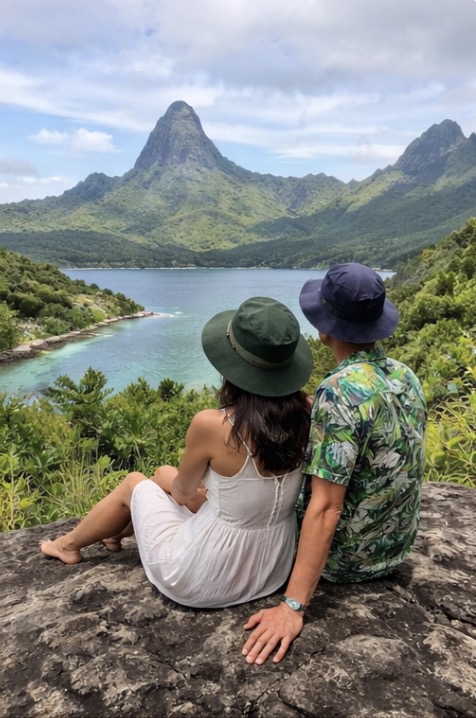
French Polynesia had always felt like a place people described in superlatives — bluest water, softest sand, most dramatic peaks rising from the sea. What surprised me most was not the color of the lagoons, but the silence. Mo’orea felt raw and volcanic, its green spines rising sharply from calm water. Bora Bora was more sculpted, more cinematic — yet even there, if you stepped away from resort corridors, the island felt grounded and lived-in.
We traveled during the shoulder season — late April into early May — when the humidity softened and flights were slightly less punishing on the wallet. It was not a lavish trip. We stayed in modest guesthouses and a small locally run inn, ate from roulottes and neighborhood markets, and chose ferries over flights whenever possible. The islands gave us more than we spent.

14-Day Itinerary
Day 1 – Arrival in Mo’orea
We took the ferry from Tahiti instead of flying. It was far cheaper and gave us our first wide view of Mo’orea’s jagged silhouette rising from the horizon. The approach felt almost theatrical — emerald mountains emerging from layers of blue.
Our guesthouse was simple, family-run, and walking distance to a small beach. That first evening we walked the shoreline and let the long travel day dissolve. The lagoon was warm even at sunset.
Avoid overplanning this first day. Jet lag and humidity can catch you off guard. Hydrate constantly.
Day 2 – Belvedere Lookout & Opunohu Valley
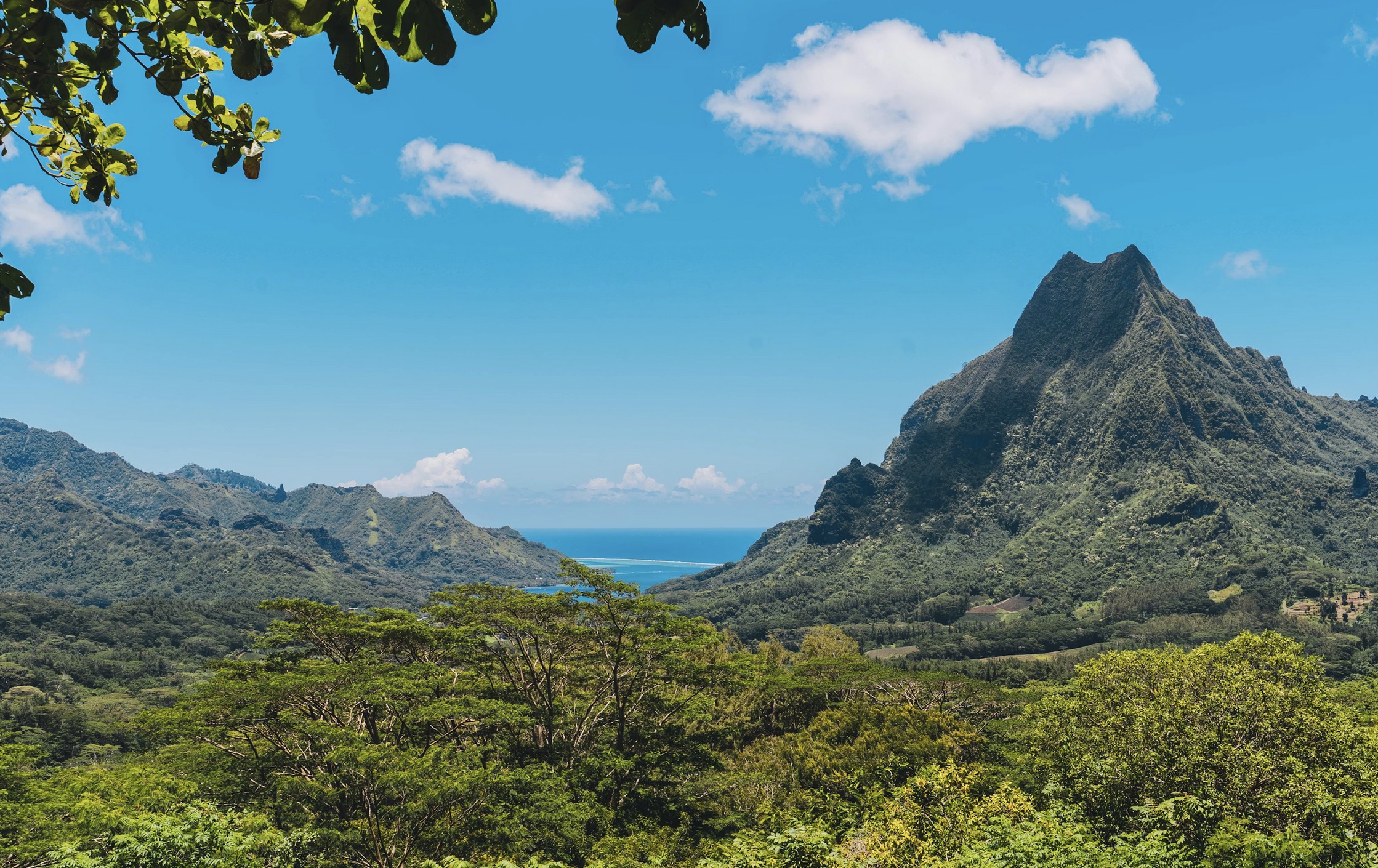
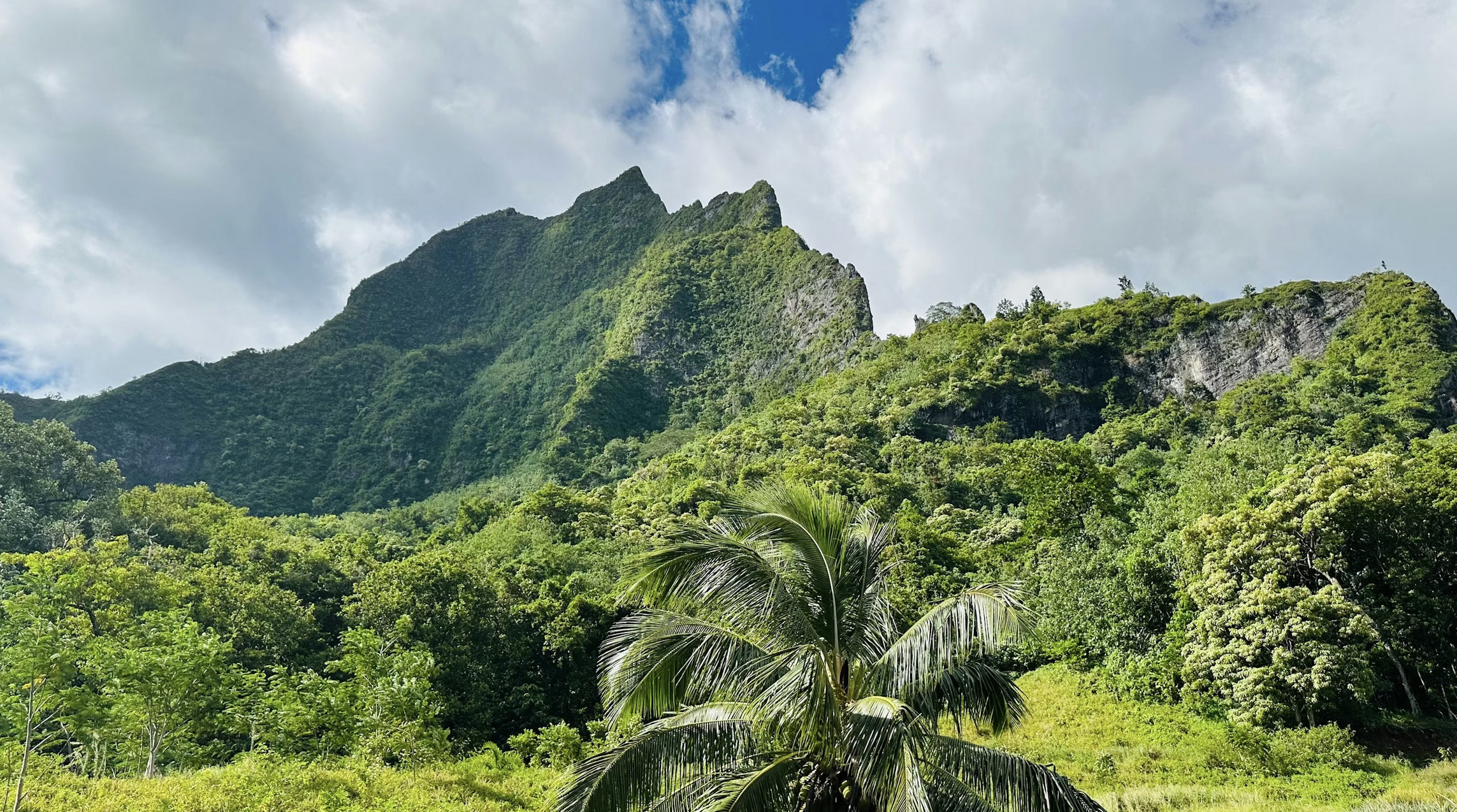
We drove up to Belvedere Lookout just after sunrise, before the tour vans began their steady climb. The road narrowed as it curved upward, thick jungle pressing close on both sides. When we stepped out at the top, the air felt cooler, thinner somehow, scented faintly with damp leaves. Cook’s Bay and Opunohu Bay opened below us in two perfect crescents of blue, divided by a spine of green mountains that looked almost too dramatic to be real.
The peaks of Mount Rotui caught the early light in sharp angles, and for a moment we just stood there without speaking. It was the kind of view that quieted conversation. I remember thinking how volcanic islands feel unfinished — like they are still rising, still deciding their final shape.
Later, in Opunohu Valley, the road flattened and the mood softened. Pineapple fields spread outward in geometric rows beneath towering cliffs. A man selling fruit by the roadside sliced one open for us without ceremony. It was warm from the sun, impossibly sweet, and cost only a few coins. Moments like that — unplanned and simple — often became the most lasting.
Avoid rushing this valley. It rewards slowness more than checklists.
Day 3 – Lagoon Kayaking
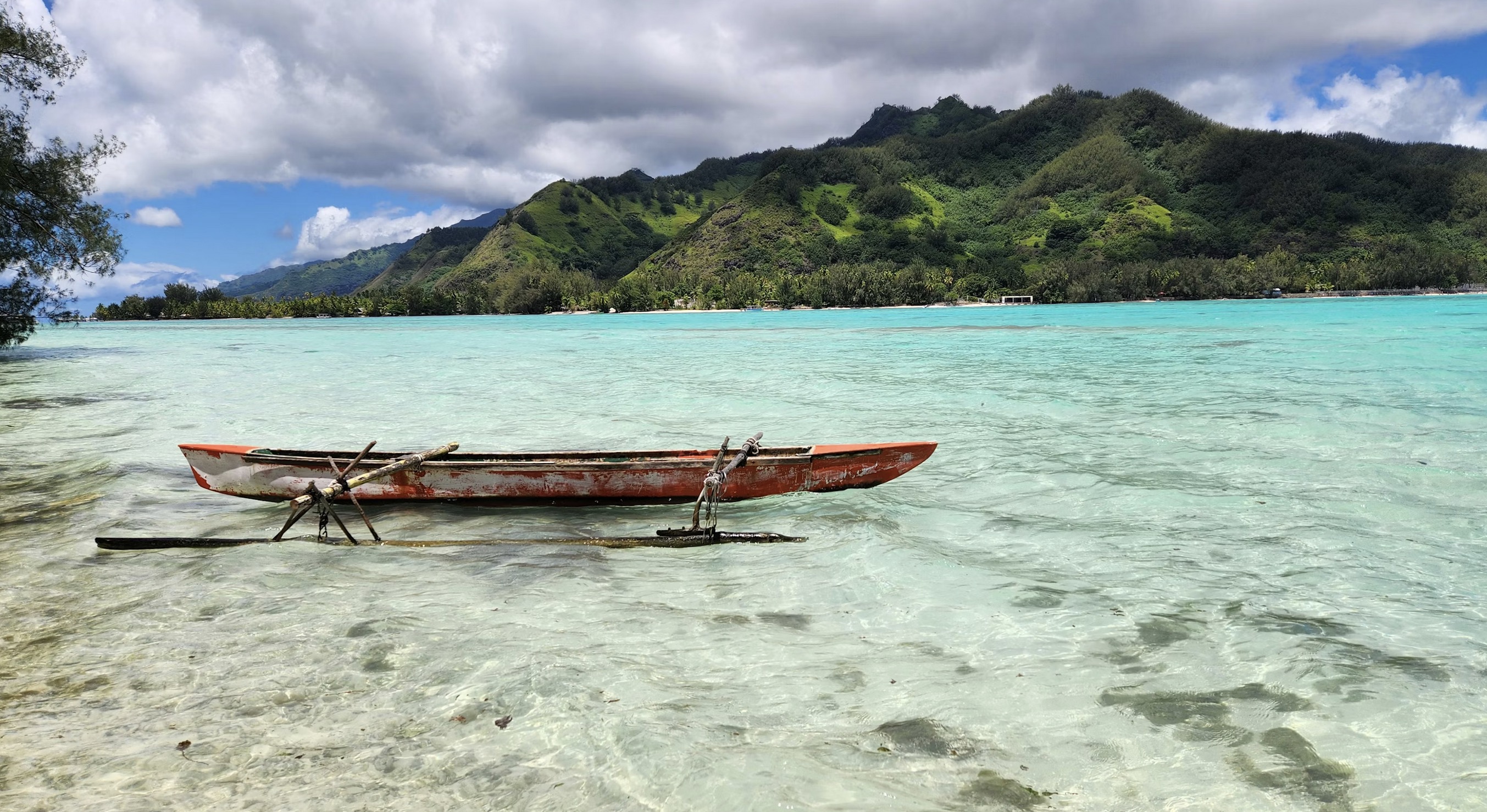
Instead of booking an expensive lagoon tour, we rented kayaks from a beach stand. It allowed us to move at our own pace. Paddling over coral gardens, the water shifted between turquoise and cobalt depending on depth.
We drifted often, simply looking down. Reef fish scattered beneath us in quick flashes of color. There was a quiet intimacy to moving slowly across water like that.
Avoid standing in shallow coral areas — even minor contact can damage fragile reef systems.
Day 4 – Temae Beach & Local Market
We returned to the coast early that morning and settled along Temae Beach before the light grew harsh. The sand there was pale and fine, almost powder-soft beneath our feet. Across the water, Tahiti hovered in the distance like a watercolor painting, its outline softened by haze. The lagoon remained shallow for quite a stretch, making it easy to wade out and simply stand still while the tide shifted gently around our knees.
There was something unhurried about that beach. No loud music. No aggressive vendors. Just the quiet rhythm of families arriving with small coolers and folding chairs. We stayed longer than we planned, watching the way the water shifted colors as clouds passed overhead.
Later, we drove toward a roadside market tucked beneath a cluster of palms. The woman behind the table arranged papayas and bananas with the kind of care usually reserved for flowers. We bought fresh bread, mango, and a container of poisson cru wrapped tightly in plastic. It cost far less than any restaurant meal and tasted infinitely better — bright lime, tender fish, coconut milk cooling the heat of the day. It reminded me that stretching a dollar often brings you closer to the place itself.

Day 5 – Afareaitu Waterfalls
The trail toward Afareaitu Waterfalls felt wilder than expected. It began innocently enough — a gentle path past old stone foundations from agricultural projects long abandoned. But as we continued, the canopy thickened, and the air grew heavy with moisture. Every leaf seemed oversized. Insects hummed invisibly around us.
The waterfall revealed itself slowly. First, the distant sound. Then the cool shift in air. Then finally the vertical ribbon of water descending from high rock into a shallow basin below. It wasn’t the largest waterfall I had seen in my travels, but it felt hidden — earned.
We sat on a flat rock near the edge and shared fruit we had packed that morning. The cold water numbed my ankles when I stepped in, and I remember laughing at how quickly tropical warmth disappears in shaded pools. It felt grounding, almost medicinal.
The rocks near the base are uneven and sharp. Take your time stepping through them — the island rewards patience, not bravado.
Day 6 – Snorkeling from Shore
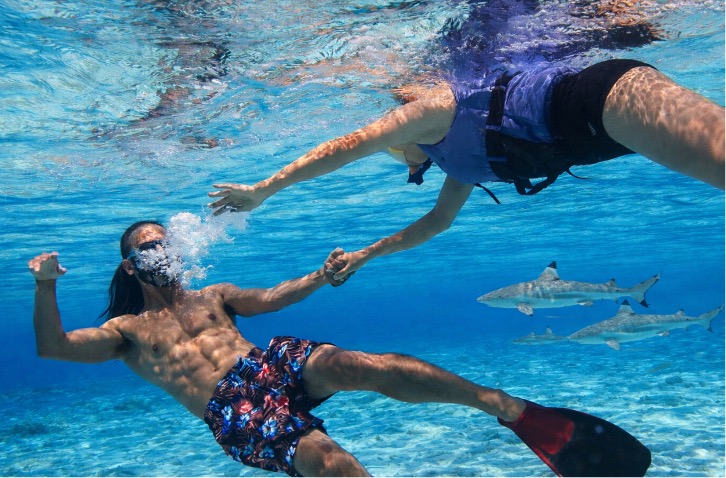
We chose a beach with easy reef access and brought our own snorkel gear purchased before the trip. The coral shelf was accessible without a boat tour.
Parrotfish, butterflyfish, and the occasional small reef shark passed without concern for us. Floating face-down in warm water for long stretches became a kind of meditation.
Avoid touching marine life, even if it seems harmless.
Day 7 – Ferry to Bora Bora
The journey to Bora Bora required coordination — ferry back to Tahiti, then flight onward. It was the most expensive transit day, but planning in advance helped reduce the cost.
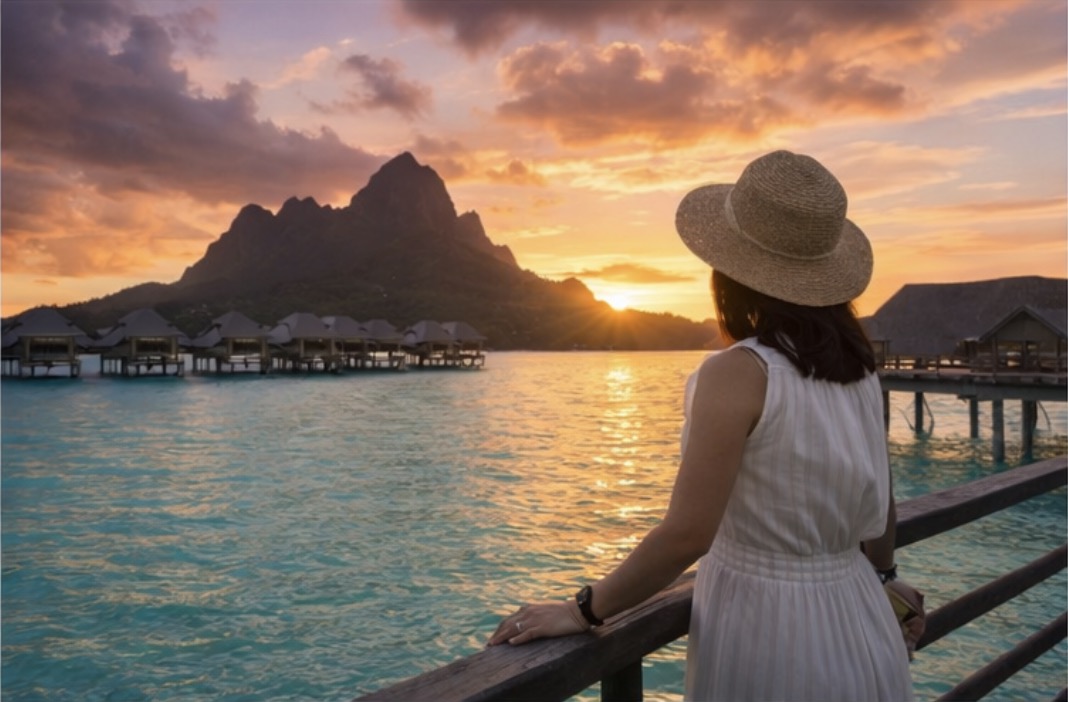
Landing in Bora Bora was different. Mount Otemanu dominated everything. The lagoon here looked impossibly luminous.
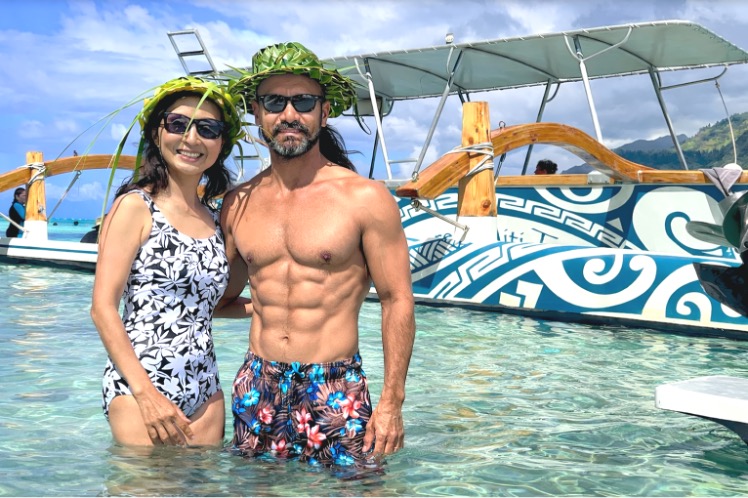
Our accommodation was modest and on the main island — not the famous overwater bungalows. Those are beautiful but not necessary to experience the island fully.
Day 8 – Matira Beach
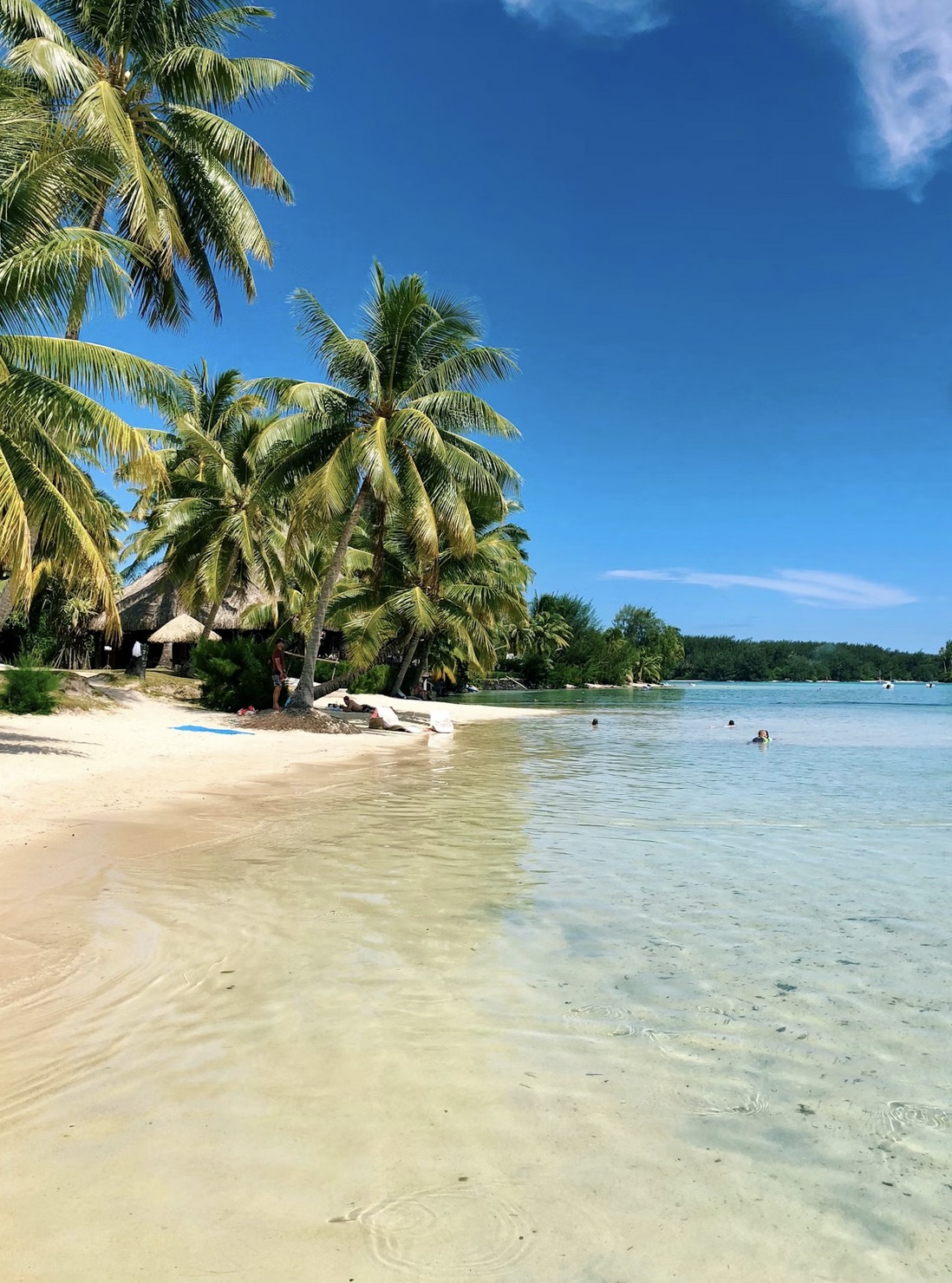
Matira Beach was as lovely as described, but we went early in the morning to avoid crowds. The sand was soft, and the water shallow for a long stretch.
By late morning, more visitors arrived. Timing mattered here.
Bring reef-safe sunscreen. The lagoon’s clarity deserves protection.
Day 9 – Vaitape & Local Interaction
We walked through Vaitape, the main village. It was small and unpretentious. A bakery sold warm baguettes each morning — remnants of French influence meeting island rhythm.
We spoke with a local shop owner who explained how much of the economy revolves around tourism but how families still maintain fishing and farming traditions.
Avoid comparing the island constantly to postcards. It is more than a backdrop.

Day 10 – Lagoon Tour (Group Option)
This was the one day we allowed ourselves to join a structured excursion. We chose a shared lagoon tour rather than a private one, and I’m glad we did. There was something communal about it — a small group of strangers quietly agreeing to witness something extraordinary together.
When we slipped into the water near a sandbar, the clarity startled me. Rays moved beneath us like folded velvet gliding over white sand. Blacktip reef sharks circled farther out, sleek and unthreatening. The guide reminded us not to chase, not to touch, not to disrupt. That instruction mattered.
Floating there, face-down in water so transparent it almost disappeared, I felt less like a visitor and more like a temporary guest. Bora Bora’s lagoon is often photographed to excess, but no image captures the warmth of the water against your skin or the way sound disappears when you submerge.
Be cautious of tours that feed wildlife for spectacle. Ethical operators allow encounters to remain natural and unscripted.
Day 11 – Mount Pahia Hike
For a more demanding day, we hiked part of Mount Pahia’s trail. It was steeper than expected, and ropes assisted in some sections.
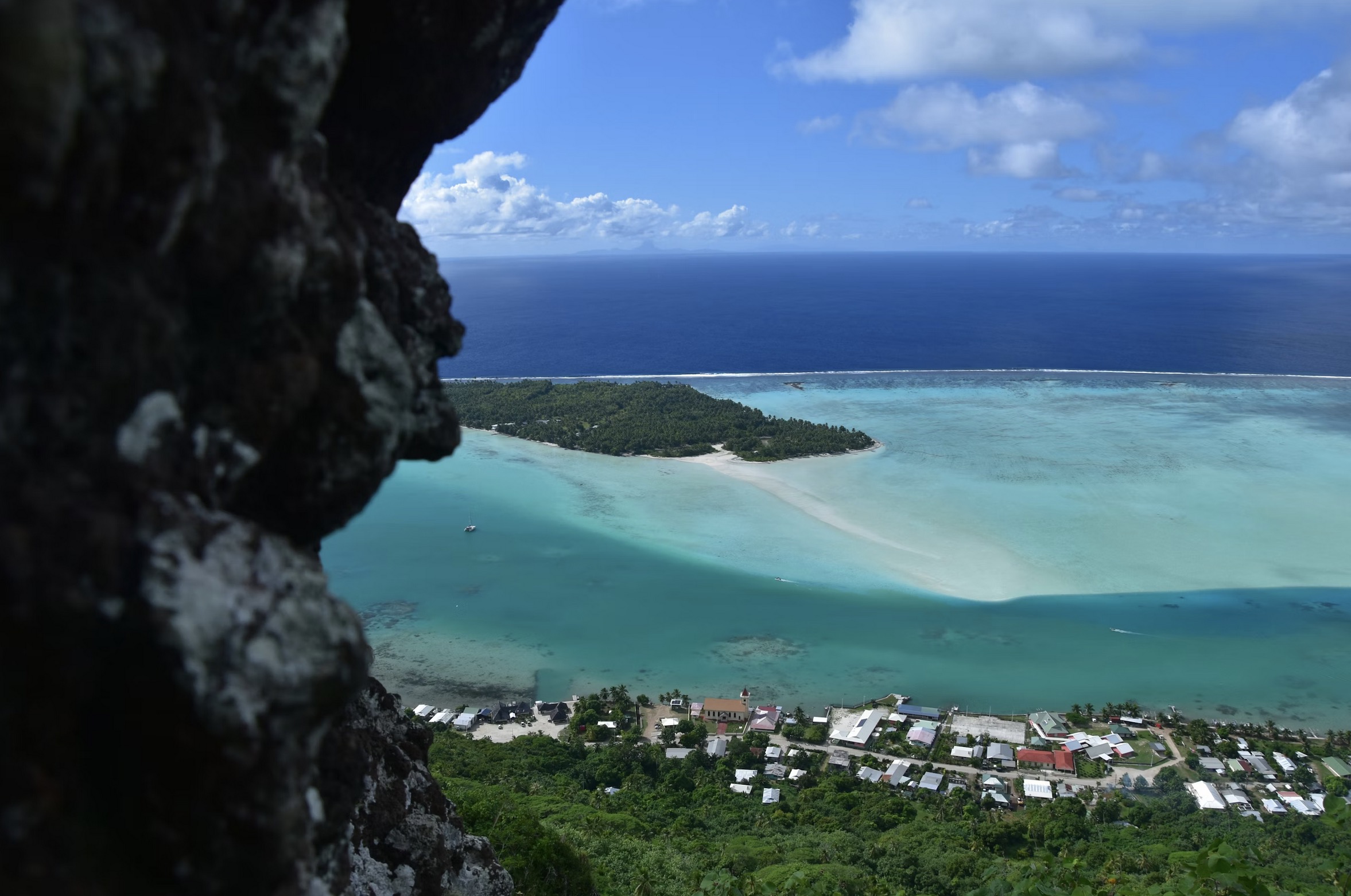
The view from higher elevation made the lagoon appear layered — deep blues beyond pale shallows.
This hike is not casual. Assess fitness honestly before attempting the upper sections.
Day 12 – Cycling the Island
We rented bicycles and circled much of the island’s perimeter. It was an affordable way to see quieter stretches away from concentrated tourist areas.
We passed children playing near the shoreline, fishermen cleaning their catch, and older couples sitting in shaded yards.
Heat builds quickly by midday. Start early.
Day 13 – Lagoon Stillness
We did almost nothing that day, and it became one of my favorites.
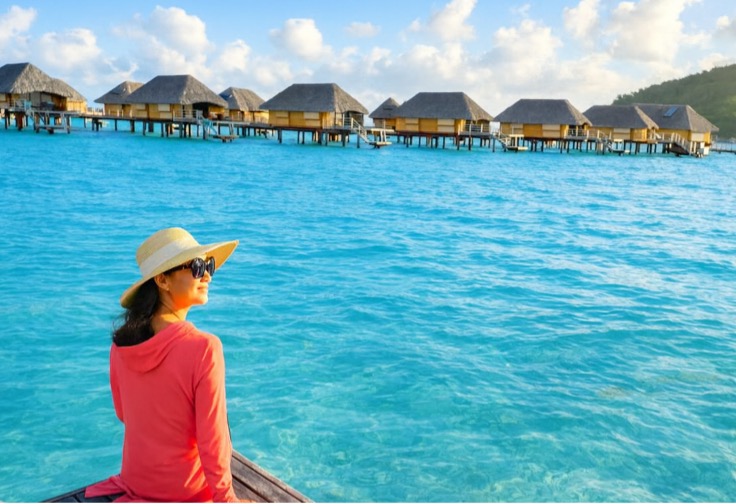
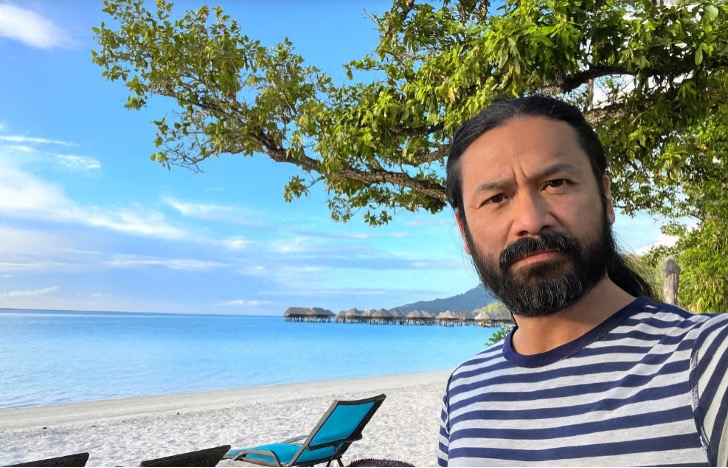
No schedule. No transport. No destination. We walked to a quiet stretch of shoreline near our inn and spent hours drifting between shade and sun. The lagoon changed character throughout the day — pale jade in the morning, electric turquoise at noon, deeper cobalt as the sun angled west.
At one point, I lay back in the water and watched Mount Otemanu from below the surface line. Half the mountain above water. Half refracted through gentle ripples. It looked like two separate worlds stacked together.
There is a temptation in places like Bora Bora to maximize every hour because you know you traveled far to get there. But I’ve learned that islands reveal themselves most honestly when you allow a day to pass without ambition.
Day 14 – Departure
Leaving Bora Bora felt quieter than expected. The lagoon had shifted colors all week, yet the memory that stayed strongest was not the brightness — it was the calm.
We left with sun-warmed skin, modest expenses compared to typical island packages, and a deeper respect for volcanic land meeting fragile reef.
French Polynesia did not need luxury to impress us. It needed time.
Trip Summary – Mo’orea & Bora Bora
Best Season Visited: Late April – Early May (Shoulder season; fewer crowds, moderate humidity)
Total Duration: 14 Days Pace: Balanced — active mornings, relaxed afternoons Travel Style: Budget-conscious, locally focused, nature-forward
Highlights
- Belvedere Lookout panoramic views over Cook’s and Opunohu Bays
- Kayaking independently across Mo’orea’s lagoon
- Hiking Afareaitu Waterfalls through dense jungle
- Shore snorkeling over coral gardens without tour boats
- Mount Otemanu dominating Bora Bora’s skyline
- Early morning quiet at Matira Beach
- Cycling Bora Bora’s perimeter for a local perspective
- Ethical lagoon tour with rays and reef sharks
Cultural & Local Experiences
- Roadside pineapple stands in Opunohu Valley
- Fresh poisson cru from neighborhood markets
- Conversations in Vaitape about island economy and tradition
- Observing everyday island life away from resort zones
Budget Notes
- Ferry between Tahiti and Mo’orea saved significantly over flights
- Staying on Bora Bora’s main island instead of overwater bungalows reduced lodging costs dramatically
- Shared lagoon tours over private charters
- Local markets and roulottes for meals instead of resort dining
- Renting a car short-term rather than full-trip rental
Physical Difficulty Level
Moderate.
- Light to moderate hiking (waterfalls, valley trails)
- Optional strenuous hike (Mount Pahia)
- Lagoon activities suitable for comfortable swimmers
Watch-Outs
- Volcanic trails become slippery after rain
- Midday heat can be intense — start early
- Coral reef protection is critical — use reef-safe sunscreen
- Choose ethical marine tours that avoid wildlife feeding
Overall Reflection
French Polynesia proved that beauty does not require extravagance. The lagoons were luminous, yes — but what remained strongest was the rhythm of island life, the generosity of small markets, and the feeling of moving slowly across warm water with no urgency at all.