Sun Sep 07 - Written by: Joe Tran
Outback, Urulu, Australia
Wide open land, unforgettable views
The Australian Outback – Uluru & the Red Centre
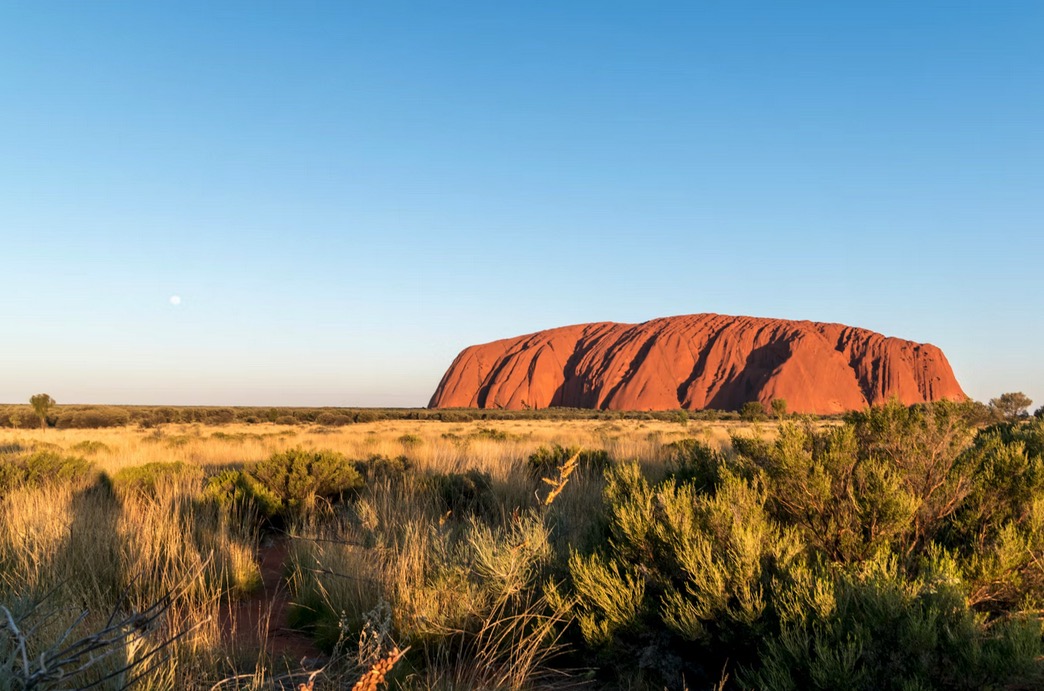
The Outback did not announce itself gently. It unfolded in heat shimmer and endless horizon, in red dust that settled into shoes and stayed long after the trip ended. We arrived expecting emptiness. What we found instead was presence — ancient, grounded, and deeply alive in ways that required stillness to understand.
We traveled in late August, during the Australian winter. Days were warm but manageable, and nights cooled quickly beneath open sky. Peak summer heat in the Red Centre can be unforgiving, so choosing the cooler season made the difference between endurance and appreciation. This was not a luxury trip. We rented a modest vehicle, stayed in simple lodges and campground cabins, and carried water carefully. The Outback rewards preparation more than extravagance.
We gave the Red Centre 13 days.

13-Day Itinerary
Day 1 – Arrival in Alice Springs
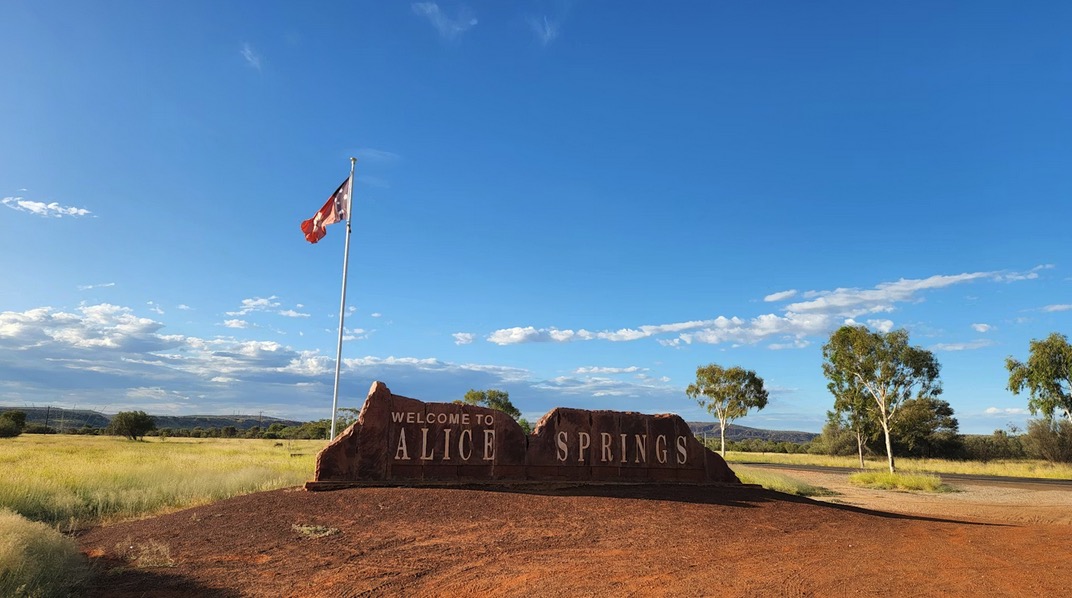
Alice Springs felt remote but grounded. Low buildings, wide streets, and a quiet pace. We walked through town to stretch our legs after the flight, passing small art galleries featuring Aboriginal work.
There was no coastal breeze here — only dry air and wide sky. The land felt exposed in a way that demanded respect.
Avoid underestimating distances in the Outback. Everything appears closer than it is.
Day 2 – West MacDonnell Ranges
We drove toward the West MacDonnell Ranges early, the road unfolding in long straight lines. The ranges rose gradually, their ridges layered in muted reds and browns.
At Ormiston Gorge, we walked along a rocky path that opened to a permanent waterhole. The stillness surprised me. Red rock walls reflected in dark water beneath a cloudless sky.
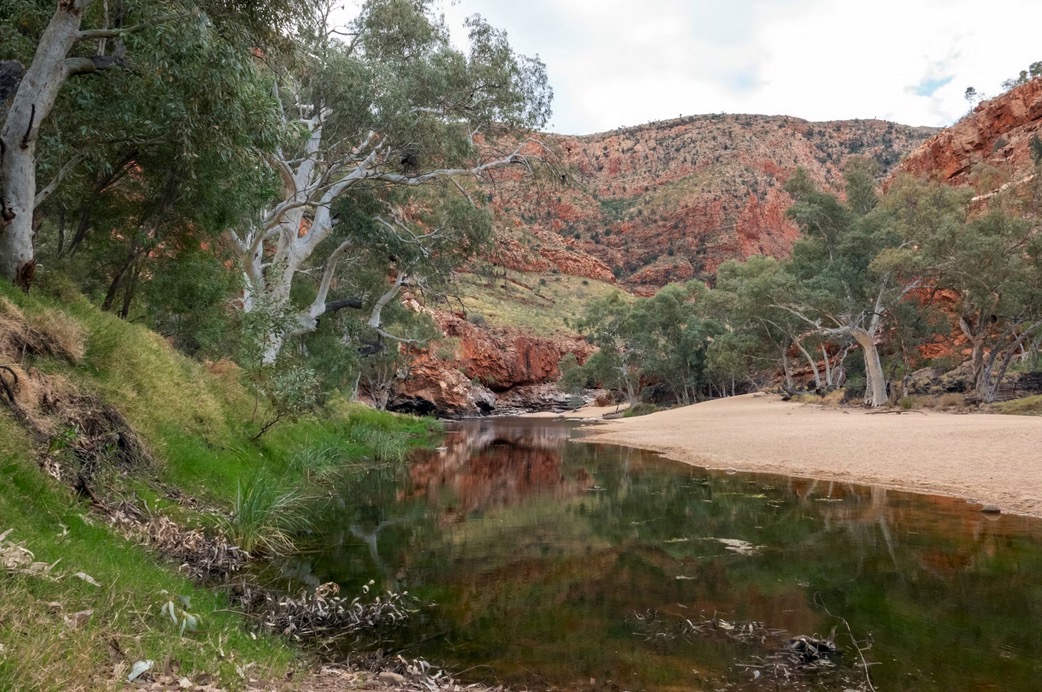
Bring far more water than you think you need. Dry air masks dehydration.
Day 3 – Simpsons Gap & Desert Silence
Simpsons Gap offered a narrower canyon framed by towering cliffs. We arrived mid-morning, and the quiet felt absolute. Even birdsong seemed cautious.
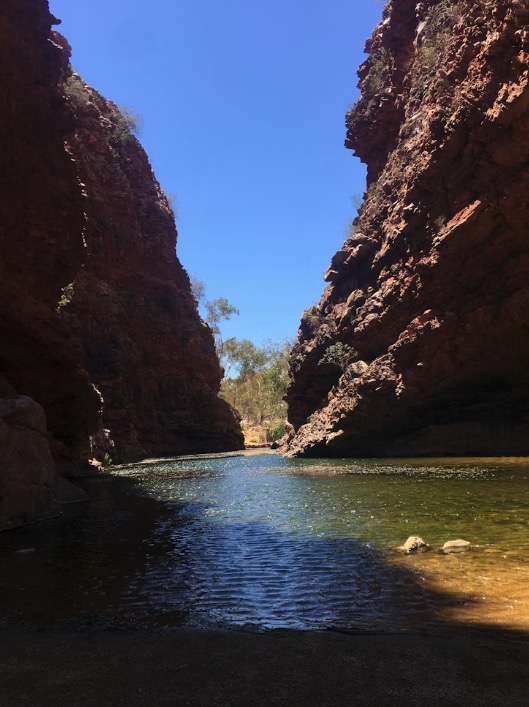
Standing between stone walls that have existed for millions of years shifts perspective. The Outback does not compete for attention. It simply exists, immense and indifferent.
Day 4 – Drive to Kings Canyon
The drive to Kings Canyon stretched long and uninterrupted. Roadhouses appeared occasionally — welcome breaks for fuel and shade.
We kept snacks and water stocked. There are no convenient detours in this landscape.
Arriving late afternoon, the canyon walls glowed softly as the sun lowered.
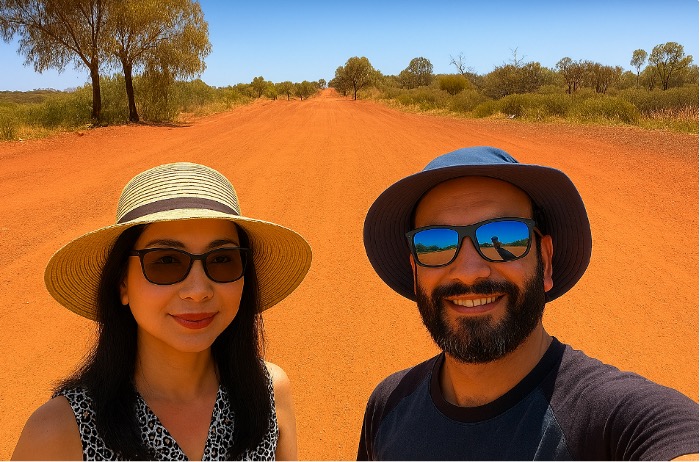
Day 5 – Kings Canyon Rim Walk (Expanded Anchor Day)
We began the Rim Walk at sunrise to avoid midday heat. The initial climb — often called “Heartbreak Hill” — was steep but brief. Once at the top, the landscape opened into layered sandstone domes and sheer cliffs.
The canyon rim felt ancient, sculpted by time and erosion into forms both sharp and rounded. Walking along the edge required awareness — the drop-offs were sudden and unguarded.
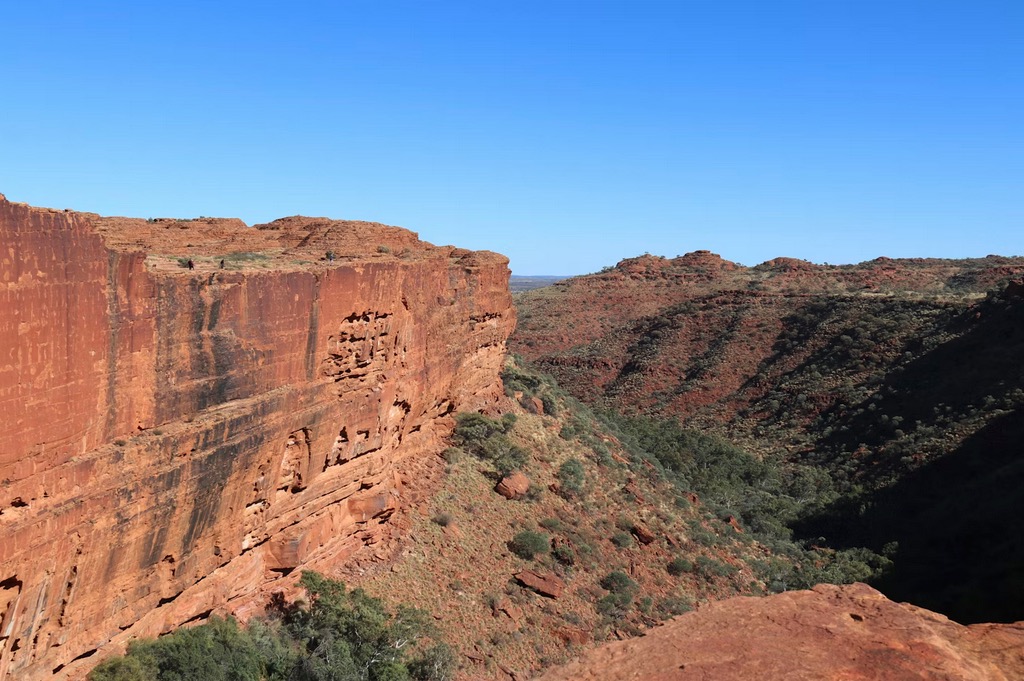
Midway through the trail, the Garden of Eden offered shade and a small waterhole surrounded by cycads. The contrast between exposed rim and sheltered garden felt almost symbolic — harshness and refuge coexisting.
Take this walk seriously. Start early, carry water, and respect posted advisories.

Day 6 – Arrival at Uluru-Kata Tjuta National Park
Driving toward Uluru for the first time felt almost surreal. It appeared slowly on the horizon — a singular monolith rising from flat earth.
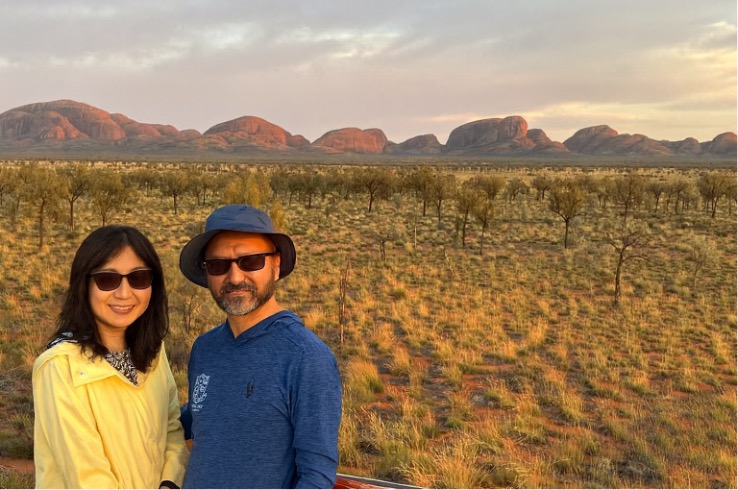
No photograph captures the scale accurately. As we approached, its surface details sharpened — grooves, fissures, subtle color variations.
We stayed in modest park accommodations. Even simple lodging felt sufficient beneath such expansive sky.
Day 7 – Uluru Base Walk (Expanded Anchor Day)
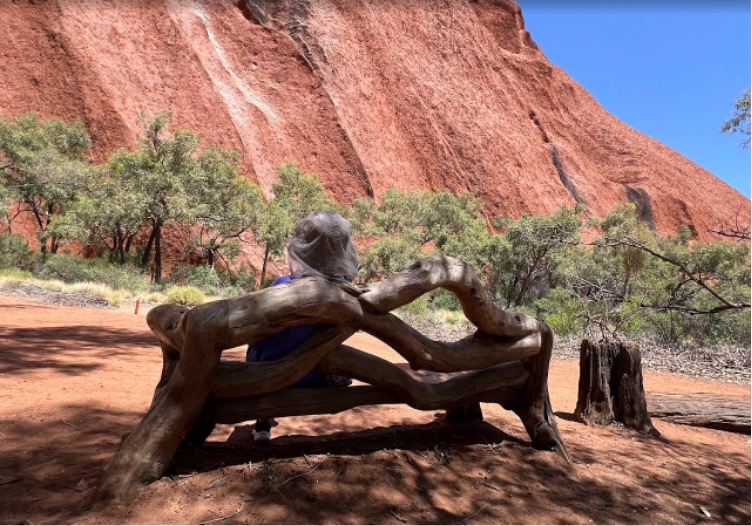
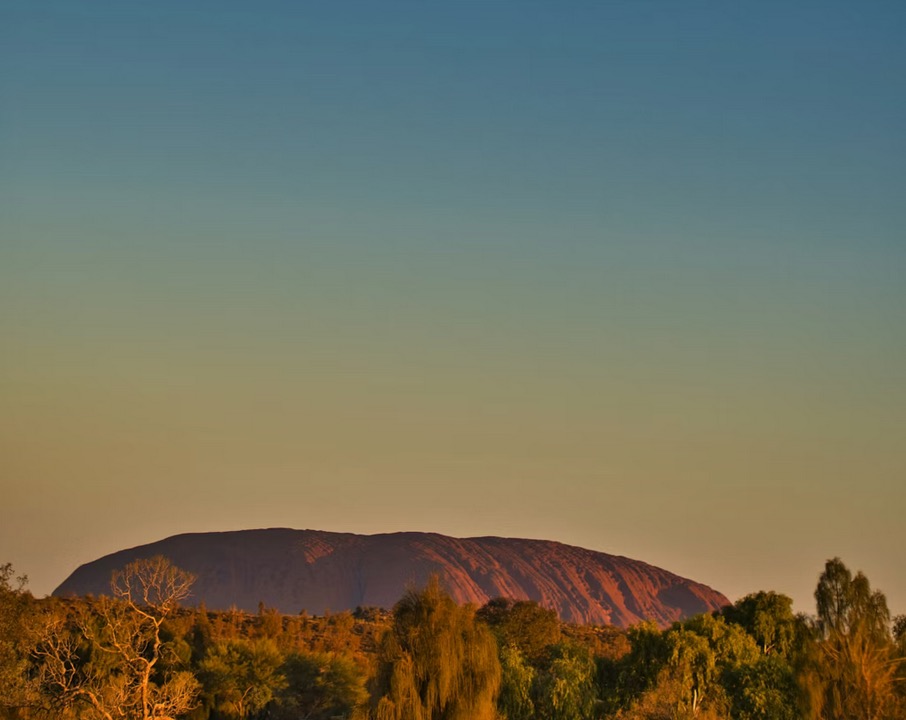
We walked the full base trail around Uluru early in the morning. The rock shifted colors subtly — deep rust, burnt orange, muted violet where shadows lingered.
Along the path, interpretive signs explained the cultural significance of the site to the Anangu people. Certain sections were marked as sacred, photography discouraged. Respect felt essential here.
Up close, Uluru did not feel like a landmark. It felt like a presence. The grooves in its surface told stories shaped by rain over thousands of years.
Avoid climbing — it is both culturally disrespectful and officially closed.
Day 8 – Sunset at Uluru
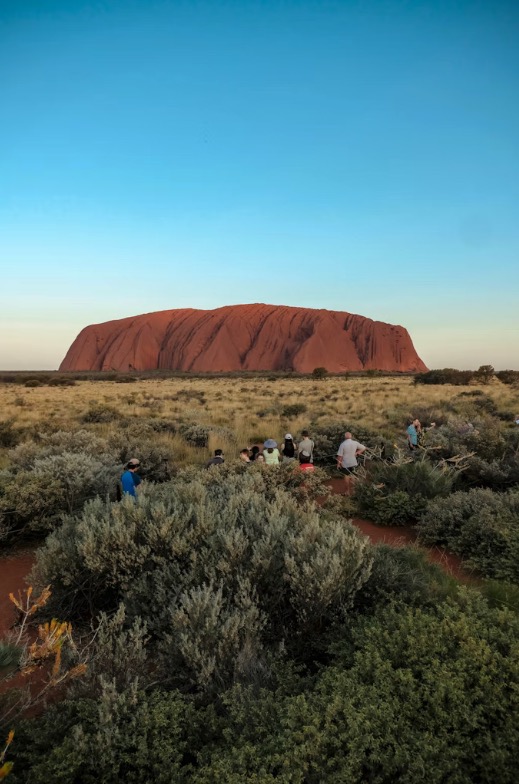
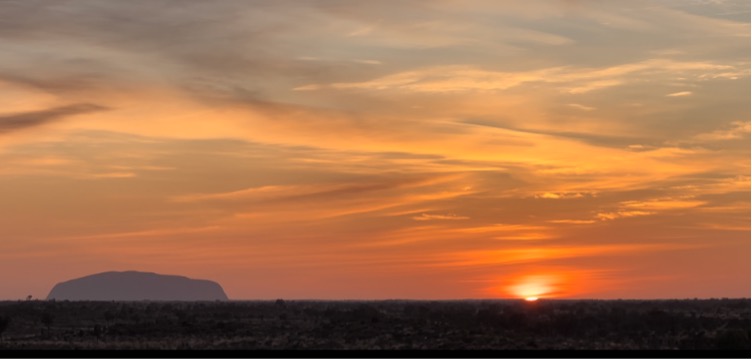
We returned for sunset, joining a quiet gathering at a designated viewing area. As the light shifted, Uluru deepened in color — glowing briefly before softening into silhouette.
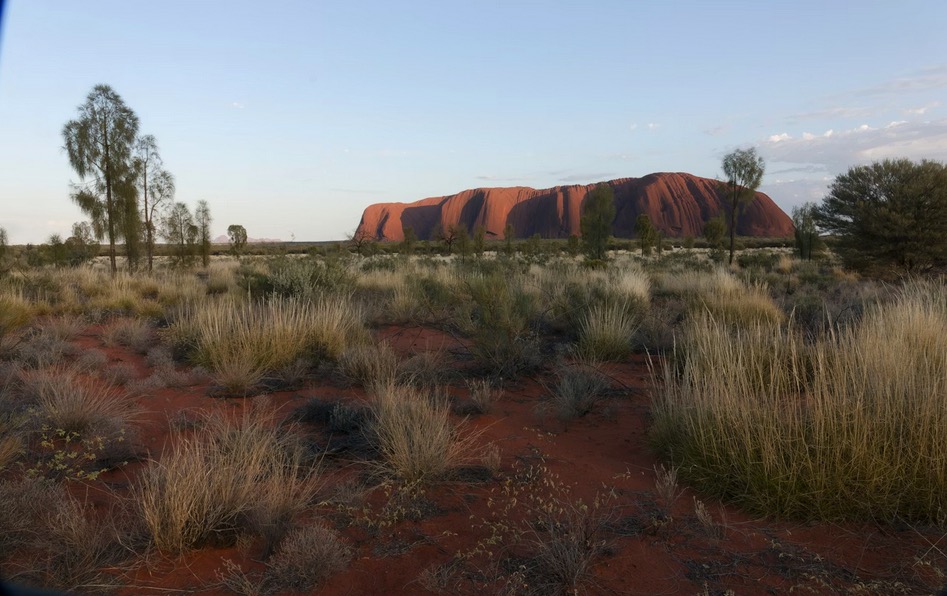
There is a communal silence that happens at desert sunset. Conversations dim naturally.
Bring a light jacket. Even warm days cool quickly once the sun disappears.
Day 9 – Kata Tjuta (The Olgas)
Kata Tjuta felt different from Uluru — multiple domed formations rising together. The Valley of the Winds walk carried us between towering rock walls.
Wind funneled through narrow passages, carrying fine dust across the trail. The scale felt humbling.
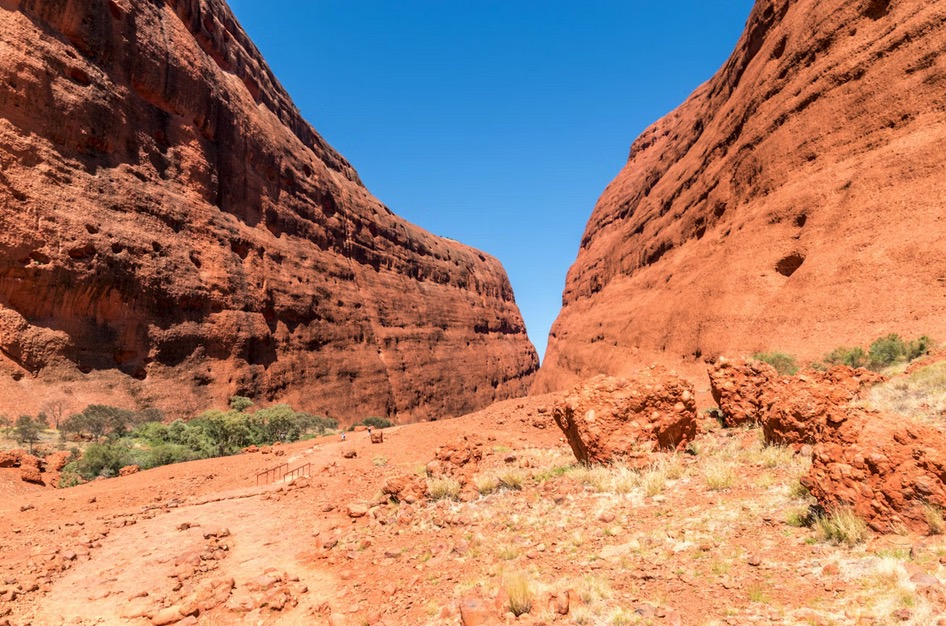
This walk is moderately strenuous but deeply rewarding.
Day 10 – Cultural Centre Visit
We spent a slower day at the Cultural Centre learning about Anangu law, Tjukurpa (Dreaming), and traditional custodianship of the land.
Traveling here without understanding context would feel incomplete. The stories embedded in the landscape deserve time.
Avoid rushing this visit. It provides necessary grounding.
Day 11 – Field of Light Installation
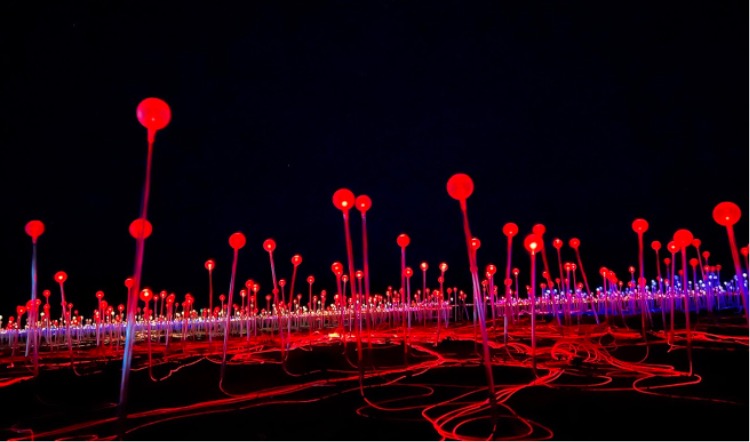
At dusk, we visited the Field of Light art installation. Thousands of small illuminated stems spread across the desert floor.
The lights shifted softly against the silhouette of Uluru. It felt contemporary yet respectful, temporary against ancient stone.
Day 12 – Desert Night Sky (Expanded Anchor Day)
We drove a short distance from artificial lights and lay back on the hood of our vehicle.
The Milky Way revealed itself gradually — dense and luminous across black sky. Without humidity or city glow, the stars felt closer than usual.
I remember the stillness more than the stars themselves. No traffic. No distant hum. Just vast silence broken occasionally by wind.
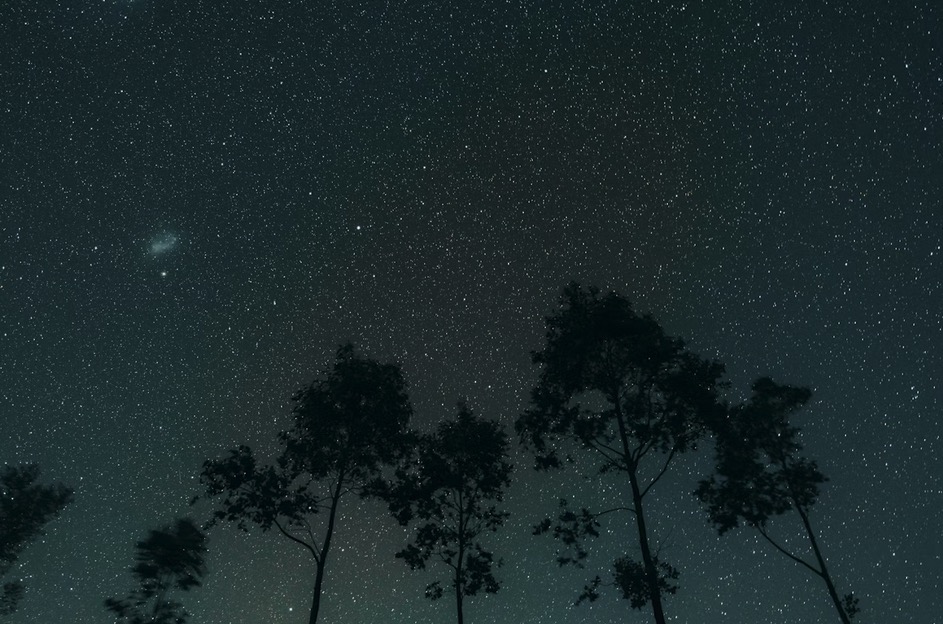
The Outback teaches you how small you are — not in a diminishing way, but in a clarifying one.
Temperatures drop sharply after dark. Layer accordingly.
Day 13 – Departure
Leaving the Red Centre felt different from leaving an island. There was no shoreline memory, no sound of waves.
Instead, I carried the color red in my mind — dust on boots, sunset on stone, and the quiet strength of land that has endured far longer than any traveler.
Trip Summary – Uluru & the Red Centre
Best Season Visited: Late August (Australian winter; manageable daytime heat, cool nights) Total Duration: 13 Days Pace: Reflective, physically moderate Travel Style: Prepared and practical, minimal-frills desert exploration
Highlights
- Kings Canyon Rim Walk at sunrise
- Uluru Base Walk with cultural interpretation
- Sunset viewing at Uluru
- Valley of the Winds hike at Kata Tjuta
- Desert night sky under the Milky Way
- West MacDonnell Ranges waterholes
Cultural & Local Experiences
- Learning about Anangu custodianship and Tjukurpa
- Visiting the Cultural Centre
- Field of Light Installation
- Viewing Aboriginal art in Alice Springs
- Respecting sacred photography zones
Budget Notes
- Renting a standard vehicle rather than guided multi-day tours
- Staying in modest cabins and park lodges
- Carrying groceries for simple meals
- Traveling in winter season to avoid peak summer pricing
Physical Difficulty Level
Moderate to Moderately Challenging
- Kings Canyon and Kata Tjuta hikes require stamina
- Desert heat demands hydration discipline
Watch-Outs
- Extreme heat outside winter months
- Long driving distances between services
- Strict respect for cultural guidelines at Uluru
- Rapid nighttime temperature drops
Overall Reflection
The Outback did not overwhelm with spectacle. It grounded with scale. Uluru and Kata Tjuta stood not as attractions, but as witnesses — ancient formations that outlast memory. In that red silence, I understood that some places are not meant to entertain. They are meant to endure.